29 posts tagged with "Finance"

View All Tags

Phrasal Verb - Cutting Down

· 2 min read
Raymundo CH

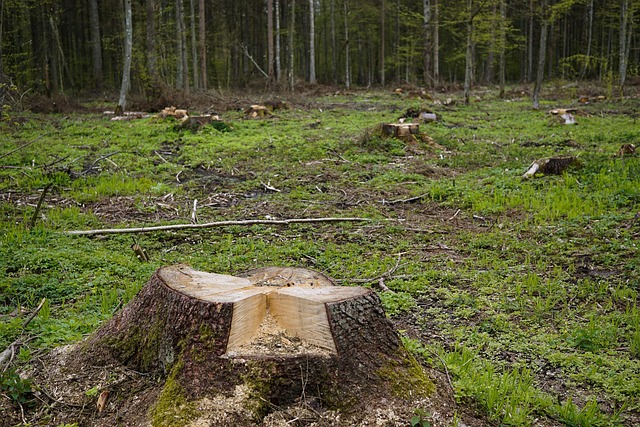
Image illustrating the verb Cutting Down

Image uploaded to Pixabay by summa

.

Definition

To reduce the size, quantity, or extent of something, typically in a way that is deliberate and often drastic. This can involve changing the structure, reducing the number of options, or removing parts that are no longer needed. Cutting down on something can be a way of being more efficient, saving resources, or simplifying a process.

Examples

No.Example
1The company cut down on overtime payments to reduce labor costs.
2She decided to cut down on her social media usage to focus on her studies.
3The government is cutting down on subsidies to farmers to encourage them to adopt more efficient farming methods.
4He tried to cut down on his sugar intake to lose weight.
5The environmental group is pushing for the government to cut down on deforestation.
6The new policy aims to cut down on bureaucratic red tape to speed up approvals.
7He cut down on his lavish spending habits after he lost his job.
8The school is cutting down on recreational activities to focus on academic achievement.
9The entrepreneur cut down on her team to reduce overhead costs during the economic crisis.
10The health expert advises people to cut down on salt intake to prevent high blood pressure.

Phrasal Verb - Drawing Back

· 2 min read
Raymundo CH

Image illustrating the verb Drawing Back

Image uploaded to Pixabay by Darkmoon_Art

.

Definition

To withdraw or pull away from something that has been started or offered, often due to hesitation, fear, or resistance. It can also refer to moving backward in a physical sense, such as stepping back from an argument or a difficult situation.

Examples

No.Example
1After seeing the expensive bill, she started to draw back from ordering the meal.
2The company drew back from releasing the new product due to unexpected production costs.
3He began to draw back from his commitment to attend the conference.
4The teacher asked the students to draw back from the edge of the pool.
5She felt like drawing back from the conversation when she realized they shared no common interests.
6The soldier drew back from firing his gun, realizing the target was an innocent bystander.
7The government drew back from imposing the new tax, citing public backlash.
8The investor drew back from the deal, citing unexpected risks.
9The driver drew back from the intersection, avoiding the accident.
10The student drew back from the argument, realizing they wouldn't win.

Phrasal Verb - Eating Into

· 2 min read
Raymundo CH

Image illustrating the verb Eating Into

Image uploaded to Pixabay by Scofield38

.

Definition

A phrasal verb used to describe the action of consuming or using up something, typically in a way that is excessive or unfair. It can also imply the idea of taking something away from someone or something, often in a negative or detrimental manner.

Examples

No.Example
1The company has been eating into the profits of the local restaurant.
2The new policy is eating into the staff's work-life balance.
3The fraudster was eating into the bank's funds by making unauthorized withdrawals.
4The traffic was eating into my morning commute, making me late for work.
5The competitor was eating into our market share with their new product.
6The disease was eating into the countryside, affecting the crops and livestock.
7The energy company was eating into the profits of the renewable energy sector.
8The rival team was eating into our lead with their comeback victory.
9The private equity firm was eating into the public company's assets.
10The environmental group is working to prevent logging from eating into the old-growth forest.

Phrasal Verb - Eke Out

· 2 min read
Raymundo CH

Image illustrating the verb Eke Out

Image uploaded to Pixabay by RosZie

.

Definition

to manage to achieve something, especially with great difficulty or effort, by finding ways to save money, time, or energy, often by reducing expenses or making minor adjustments.

Examples

No.Example
1She had to eke out a living from her part-time job and social security.
2The family had to eke out what little they had for Christmas.
3They struggled to eke out a living in the city with its high cost of living.
4He had to eke out an income from freelancing work.
5The couple tried to eke out a romantic evening despite the noisy neighbors.
6The non-profit organization had to eke out donations from generous donors.
7The space station had to eke out fuel to avoid running out of resources.
8The winner had to eke out a narrow victory in the election.
9The restaurant had to eke out a profit by cutting costs and increasing efficiency.
10The government had to eke out funds to repair the damage from the hurricane.

Phrasal Verb - Falling Behind

· 2 min read
Raymundo CH

Image illustrating the verb Falling Behind

Image uploaded to Pixabay by ctvgs

.

Definition

To fall behind means to be or become slower, weaker, or less successful than others, often because of not working as hard, not being as skilled, or not getting the support you need. It can also refer to a person, team, or project losing their competitive advantage or position in a particular situation. Falling behind can happen in various areas, such as academic, professional, financial, or social progress. It may be a temporary setback or a more persistent issue that requires significant effort to recover from.

Examples

No.Example
1After a series of losses, the team started to fall behind in the league standings.
2She was determined not to fall behind her classmates in the math competition.
3The company's earnings report showed that they were falling behind their competitors in the market.
4He tried to keep up with his workout routine but started to fall behind due to an injury.
5The economy was falling behind other developed countries in terms of GDP growth.
6The new employee struggled to keep up with the workload and started to fall behind on deadlines.
7Her pet could no longer keep up with the older dogs and started to fall behind in the agility course.
8The research project was falling behind schedule and was at risk of not meeting the grant's requirements.
9The family's financial situation started to fall behind due to unexpected expenses.
10The athlete had a great season last year but started to fall behind this year due to a lack of training.

Phrasal Verb - Getting Rid Of

· 2 min read
Raymundo CH

Image illustrating the verb Getting Rid Of

Image uploaded to Pixabay by geralt

.

Definition

This phrasal verb means to eliminate, discard, or remove something or someone. It can also mean to free oneself from a difficult situation or responsibility.

Examples

No.Example
1I finally got rid of that old couch that was taking up too much space.
2The company got rid of several employees due to budget cuts.
3She decided it was time to get rid of her bad habits.
4We need to get rid of the clutter in our house.
5He tried to get rid of his fear of public speaking.
6Can you help me get rid of this stain on my shirt?
7The mayor promised to get rid of the potholes in the city.
8I'd like to get rid of my student loans.
9We need to get rid of the rodents in our attic.
10He got rid of his ex-girlfriend's number in his phone.

Phrasal Verb - Hiding Away

· 2 min read
Raymundo CH

Image illustrating the verb Hiding Away

Image uploaded to Pixabay by yvonneh11

.

Definition

To put or keep something out of sight, often because one is ashamed, afraid, or trying to conceal it. This phrasal verb can also mean to go or stay somewhere out of the way, usually to avoid people or problems.

Examples

No.Example
1I always hide away my old clothes in the attic instead of throwing them out.
2When I was a child, I used to hide away under my bed during thunderstorms.
3John decided to hide away in the library to study for his exams.
4The company tried to hide away the financial losses from the investors.
5After the argument, she hid away in her room for hours.
6The thief hid away the stolen jewels in a secret compartment.
7The injured animal hid away in a cave to recover.
8Many people hide away their emotions and don't express them openly.
9The family decided to hide away from the outside world for a while.
10The CEO hid away in his office, refusing to speak to anyone about the crisis.

Phrasal Verb - Holding Out

· 2 min read
Raymundo CH

Image illustrating the verb Holding Out

Image uploaded to Pixabay by Any_Banany_Style

.

Definition

The phrasal verb 'hold out' means to continue to endure or persist in the face of difficulty or hardship, or to keep something in reserve for future use. It can also mean to delay making a decision or to promise something, especially with the expectation of receiving a better offer later.

Examples

No.Example
1He held out for two hours in the freezing cold, waiting for the bus.
2Despite the financial difficulties, the company held out and didn't declare bankruptcy.
3The salesperson tried to hold out for a higher price, but the customer refused to pay.
4The negotiators held out for several hours, hoping to get a better deal.
5She held out her hand for a handshake, but he just looked at it.
6We'll hold out for a better offer before making a decision.
7He held out hope that his missing sister would be found.
8The team held out until the last minute to make a comeback.
9The protesters held out in the rain for hours, refusing to leave.
10The manager held out a promise of a promotion to motivate the team.

Phrasal Verb - locking in

· 2 min read
Raymundo CH

Image illustrating the verb locking in

Image uploaded to Pixabay by Kranich17

.

Definition

  1. To make a decision or commitment irreversibly, usually by signing a contract or taking some other formal action. 2. In financial markets, to buy a security at a fixed price in anticipation of future price increases, in order to protect against potential losses or to profit from a rising market.

Examples

No.Example
1They decided to lock in their rates before the interest rates went up.
2The company locked in a long-term contract with the supplier to secure stable prices for raw materials.
3Investors often lock in their profits by selling their stocks when they reach a certain price.
4After months of deliberation, the board finally locked in the new CEO.
5The airline passenger was able to lock in a lower fare for her flight by booking early.
6The real estate developer locked in a large land purchase to take advantage of a favorable market.
7The stockbroker advised his clients to lock in their gains before the market closed.
8The union negotiated a collective bargaining agreement that locked in wage increases for several years.
9The insurance company offered its customers the option to lock in their premiums for a fixed term.
10The investor locked in his losses by selling his stocks at a lower price than he had bought them.