Phrasal Verb - dabbling in

· 2 min read

Raymundo CH

Image illustrating the verb dabbling in

Image uploaded to Pixabay by Kranich17

.

Definition

to engage in a casual or superficial way with some activity, often for amusement or as a hobby, without making a serious commitment or devoting much time or effort to it

Examples

No.Example
1She loves to dabble in painting on the weekends.
2He's been dabbling in cooking with help from his chef friend.
3I've been dabbling in photography, but I still need to learn more.
4Many people enjoy dabbling in gardening, but few take it seriously.
5He tries to dabble in short stories when he's stressed.
6They've been dabbling in self-publishing and are now seeking professional help.
7I'm not good at it, but I've been dabbling in coding in my free time.
8He tried everything from dabbling in video games to making art.
9They're dabbling in craft beer. Each month, they try a new recipe.
10I'll be dabbling in sports betting next week.

Phrasal Verb - Dashing Off

· 2 min read
Raymundo CH

Image illustrating the verb Dashing Off

Image uploaded to Pixabay by Vesterholm

.

Definition

To suddenly or hastily dismiss or remove something, often in a rude or abrupt manner. This phrasal verb can also imply the act of swiftly or hastily jotting down something, often in a collaborative or communicative setting.

Examples

No.Example
1Can you please dash off a letter to the editor.
2Their teacher asked them to dash off an essay on the given topic.
3He initially planned to write a novel, but then had to dash off due to unexpected obligations.
4The artist was instructed to dash off the final touches on the painting.
5It's your turn to dash off a line of dialogue for this improv comedy sketch.
6The government had to dash off their plan to meet this upcoming financial deadline.
7You're on the clock, so dash off the report right now!
8She received a text from her boss asking her to dash off to the office at once.
9The relay team had to dash off in a sprint to reach the finish line on time.
10To dash off an effective business proposal that the investors would be interested in.

Phrasal Verb - dealing in

· 2 min read
Raymundo CH

Image illustrating the verb dealing in

Image uploaded to Pixabay by Honest_Graphic

.

Definition

Dealing in something refers to engaging in a business or activity that involves buying, selling, trading, or exchanging that particular thing. It can also imply being competent or skilled in a particular field or activity.

Examples

No.Example
1She has been dealing in antiques for over 10 years.
2The company deals in solar panels and renewable energy systems.
3He has made a fortune dealing in art on the black market.
4The city is dealing in sustainable technologies to reduce carbon footprints.
5She has a knack for dealing in stocks and shares.
6The team deals in advanced cybersecurity solutions.
7The market deals in rare and unique collectibles.
8They have started a business dealing in organic produce.
9The company specializes in dealing in construction equipment.
10The investor deals in real estate and infrastructure projects.

Phrasal Verb - Dealing Out

· 2 min read
Raymundo CH

Image illustrating the verb Dealing Out

Image uploaded to Pixabay by HtcHnm

.

Definition

To deal out is a part of the phrasal verb 'deal out' which is used in the English language, meaning to give out something, such as cards in a game, goods in a shop, or punishment to someone. It can also refer to the act of delivering a severe or unfair blow.

Examples

No.Example
1They dealt out the cards and began the poker game.
2The store dealt out free samples of the new cheese.
3The teacher dealt out a severe punishment to the student.
4She dealt out a bad hand in the game of cards.
5He dealt out his anger on my sister.
6The town dealt out an enormous amount of aid to the victims of the hurricane.
7The police dealt out a heavy fine to the driver.
8The doctor dealt out a prescription for medication.
9The politician dealt out empty words to the public during his speech.
10The bank dealt out a generous amount of credit to the business owner.

Phrasal Verb - Dealing with

· 2 min read
Raymundo CH

Image illustrating the verb Dealing with

Image uploaded to Pixabay by Ralphs_Fotos

.

Definition

The phrasal verb 'dealing with' is used to mean handling or managing something or someone in a particular situation, often requiring care, skill, or strategy. It can also imply resolving issues, difficulties, or problems. This phrasal verb often involves active participation, decision-making, or taking action to influence the outcome.

Examples

No.Example
1I'm having trouble with my economics project, and I'm dealing with it by seeking help from my teacher.
2She's dealing with the aftermath of the natural disaster by coordinating relief efforts.
3He's been dealing with the hostile crowd patiently, trying to maintain peace during the protest.
4The new policy is designed to help farmers deal with climate change by providing financial support.
5The company is dealing with the lawsuit by hiring a team of lawyers to represent them.
6The social worker is dealing with the troubled youth by providing counseling and support.
7We're dealing with the budget constraints by cutting unnecessary expenses and finding alternative solutions.
8The manager is dealing with the conflict between coworkers by meeting with both parties separately.
9The doctor is dealing with the critically ill patient by administering medication and performing surgery.
10The fire department is dealing with the emergency by sending a team of firefighters to the scene.

Phrasal Verb - Delving Into

· 2 min read
Raymundo CH

Image illustrating the verb Delving Into

Image uploaded to Pixabay by STA82

.

Definition

To delve into something means to explore it thoroughly, often in a detailed or investigative manner. It involves examining or investigating something closely, frequently in order to gain a better understanding or insight. The term can also convey a sense of depth or intensity in which one gets involved.

Examples

No.Example
1She decided to delve into the world of photography after seeing a beautiful landscape shot.
2He spent years delving into the history of the company, trying to understand how it evolved.
3The detective had to delve into the case from every angle, considering multiple theories.
4To improve his script, he needed to delve into the characters' backstories.
5The team had to delve into the data to find a solution to the problem.
6She delved into the world of fiction writing, and published her first novel a year later.
7He delved into the world of cryptocurrency and became an expert.
8The investigation required them to delve into the dark web to find clues.
9To help her understand the issue, the teacher asked her to delve into the research.
10The anthropologist delved into the different cultures, studying their customs and traditions.

Phrasal Verb - Die Down

· 2 min read
Raymundo CH

Image illustrating the verb Die Down

Image uploaded to Pixabay by umsiedlungen

.

Definition

A phrasal verb that means to go out of fashion, usage, or importance gradually and become outdated or less popular. It can also refer to reducing the intensity or severity of a problem or situation.

Examples

No.Example
1The new pop star's popularity is dieing down quickly after a series of controversies.
2The once-popular trend of thrift shopping is dieing down as people turn to online shopping.
3The police efforts to curb the gang violence are dieing down, but community leaders fear for the future.
4As the job market improves, the number of people seeking unemployment benefits are dieing down.
5The city's recent crackdown on street racing has dieed down the traffic problems in the city.
6She says her marriage is dieing down, but won't say why.
7The number of people affected by the virus is dieing down although the total death toll is high.
8The pressure on the beleaguered politician to resign is dieing down after he promised to work more closely with the police.
9The prevention of gang violence is a focus that may continue to die down in some areas with shootings also occurring less frequently.
10There are many things to consider in answering fashion whether it will be dieing down or popular shortly.

Phrasal Verb - Die Out

· 2 min read
Raymundo CH

Image illustrating the verb Die Out

Image uploaded to Pixabay by Kühlungsborner

.

Definition

To cease to exist or become extinct due to a lack of interest, users, or other factors, typically over a period of time. It can also refer to a concept, idea, or behavior that is no longer practiced or accepted in modern society.

Examples

No.Example
1The vinyl record stores began to die out as streaming services became more popular.
2Smoking in public places started to die out as governments enforced stricter anti-smoking laws.
3The ancient practice of human sacrifice began to die out as people became more civilized.
4The once-popular video game console finally died out as newer models emerged.
5As the world becomes more environmentally conscious, fossil fuel-powered cars are starting to die out.
6The traditional language began to die out as the younger generation preferred to speak the dominant language.
7The custom of marriage in medieval times started to die out as more people opted for civil ceremonies.
8Old education methods such as rote memorization are slowly dying out as more student-centered learning emerges.
9The industrial method of textile production began to die out as automation and technology improved efficiency.
10The rebellious teenage subculture of the 90s is starting to die out as the following generations have different interests.

Phrasal Verb - Digging into

· 2 min read
Raymundo CH

Image illustrating the verb Digging into

Image uploaded to Pixabay by ChiemSeherin

.

Definition

To thoroughly investigate or research a subject, issue, or problem. It involves examining every detail, analyzing evidence, and sometimes exposing hidden or obscured information. Digging into something typically requires a lot of time, effort, and sometimes expertise. It can also involve debunking myths, correcting misconceptions, or clarifying ambiguous information.

Examples

No.Example
1The journalist dug into the company's financial records to expose a cover-up.
2The detective dug into the evidence to solve the cold case.
3The team dug into the sales data to find the reason for the decline.
4The auditor dug into the company's tax returns to identify discrepancies.
5The researcher dug into the historical records to understand the impact of a major event.
6The fan dug into the actor's backstory to understand his character's motivations.
7The cybersecurity expert dug into the threat to pinpoint the source of the attack.
8The spy dug into the government's files to uncover a hidden alliance.
9The journalist dug into the politician's campaign donations to reveal a connection to a scandal.
10The anthropologist dug into the culture's traditions to understand their significance.

Phrasal Verb - Dig Up

· 2 min read
Raymundo CH

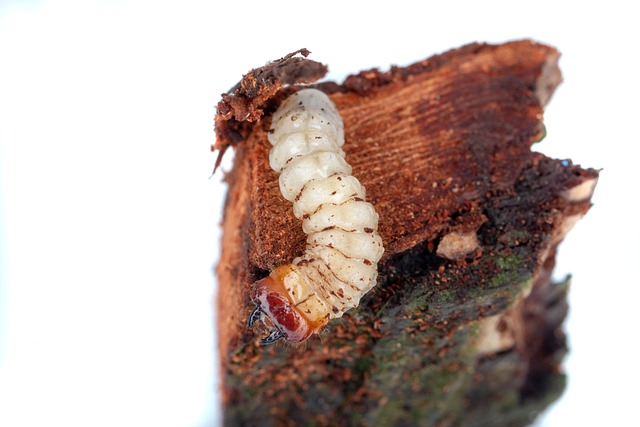
Image illustrating the verb Dig Up

Image uploaded to Pixabay by pixa1958

.

Definition

To find and bring to the surface something buried, hidden, or difficult to access; to uncover or discover something that is obscure or not well-known.

Examples

No.Example
1The archaeologists will dig up the ancient artifacts to study them more closely.
2The detective dug up new evidence that helped crack the case.
3After digging up the garden, we can replant it with new flowers.
4The researchers will dig up information from old archives to write the history book.
5The reservoir will be dug up to create a new water park.
6The dog dug up the bone it had buried in the backyard.
7The husband dug up old family records to learn more about his ancestors.
8The parents dug up the child's forgotten toys while cleaning the room.
9The crop duster aircraft will dig up the weeds in the field to help prevent the growth of weeds.
10The museum will dig up artifacts from the ancient civilization to create an exhibit.