Phrasal Verb - Moving Away

· 2 min read

Raymundo CH

Image illustrating the verb Moving Away

Image uploaded to Pixabay by Hitcom

.

Definition

To move away phrasal verb refers to the act of leaving a place, person, or situation, often in a permanent or semi-permanent manner. It can imply leaving behind familiar surroundings, relationships, or a sense of identity. This phrasal verb is commonly used in the context of relocation, retirement, or starting a new chapter in life. It can also imply personal growth, change, or progression.

Examples

No.Example
1After finishing college, she decided to move away from her hometown.
2The company had to move away from its old headquarters due to non-compliance with environmental regulations.
3He and his family moved away to the countryside for a more peaceful life.
4The old shop had to move away to make way for a new shopping center.
5The actress had to move away from the movie role due to health reasons.
6The family moved away from the city because of high living costs.
7After the divorce, he decided to move away from his ex-wife's family.
8The factory had to move away due to the lead contamination in the soil.
9The couple moved away from the rural area to be closer to their children's schools.
10The store had to move away to a new location due to lease renewal issues.

Phrasal Verb - Moving Down

· 2 min read
Raymundo CH

Image illustrating the verb Moving Down

Image uploaded to Pixabay by Peggy_Marco

.

Definition

To move down is a phrasal verb that means to go or proceed downward, often in a gradual or deliberate manner. It can be used to describe movement on a physical surface, such as moving down a staircase or a steep slope, or it can be used metaphorically to describe a decline in status, value, or quality. For example, one might move down to a lower-paying job, or an item might move down the list of priorities.

Examples

No.Example
1I moved down to the bottom floor to escape the heat.
2The company moved down its estimate of the project deadline.
3He moved down the mountain on his bike, enjoying the thrill of the ride.
4She moved down the list of applicants, carefully considering each candidate.
5The stock moved down sharply after the announcement of the economic crisis.
6I moved down the sofa to make room for my friend.
7The temperature moved down to a comfortable level after the storm passed.
8The manager moved down the salary of the employees due to financial constraints.
9The new policy moved down the threshold for getting a loan.
10The athlete moved down the track, gaining speed with each stride.

Phrasal Verb - Moving In

· 2 min read
Raymundo CH

Image illustrating the verb Moving In

Image uploaded to Pixabay by Myriams-Fotos

.

Definition

To move in typically means to enter or establish oneself in a particular place, space, or position. This can be related to housing, work, or any other type of environment. It involves taking possession or responsibility of something. Moving in usually implies that one has a certain level of control, authority, or ownership over a specific area.

Examples

No.Example
1After completing the payment, we moved in and started decorating the apartment.
2The company is moving in new management which includes several fresh hires from top universities.
3My family moved in next door and we heard their noise during the party.
4The theatre is moving in new set designs as part of their current production.
5She is moving in her grandmother while her house is under renovation.
6Move in the cash you received and make an investment in stocks.
7Move in close and whisper the secret to my ear.
8Move in at the right hour and get the fresh catch of the day.
9The sales team should move in swiftly and grab those leads.
10The teacher asked the students to move in the wreckage without touching it to study.

Phrasal Verb - Moving On

· 2 min read
Raymundo CH

Image illustrating the verb Moving On

Image uploaded to Pixabay by 15806731

.

Definition

To continue with an activity or a stage of one's life after a difficult or unpleasant experience; to go forward in time or progress with something, especially after a significant event or change.

Examples

No.Example
1She's trying to move on from the breakup and focus on her career.
2After the loss, it's hard for people to move on and find happiness again.
3The company is trying to move on from the scandal and restore its reputation.
4He's struggling to move on from his past mistakes and make amends.
5The community is moving on from the disaster and rebuilding their lives.
6It's time for us to move on and start a new chapter in our lives.
7The economy is moving on from the recession and is recovering slowly.
8The couple is trying to move on from their divorce and co-parent effectively.
9The town is moving on from its troubled past and embracing change.
10I'm trying to move on from my fear and take the leap of faith.

Phrasal Verb - Moving Out

· 2 min read
Raymundo CH

Image illustrating the verb Moving Out

Image uploaded to Pixabay by anaterate

.

Definition

The phrasal verb 'move out' is used to describe the act of leaving a place or home, often with the intention of relocating to a new residence. It can also imply a physical removal, such as moving furniture or other items out of a space. This verb is often used in the context of daily life, such as moving out of a rental property or moving out of a college dorm room. It may also carry an emotional connotation, implying a change or separation from a familiar environment.

Examples

No.Example
1After finding a new apartment, they started moving out of their old house.
2The family moved out of the city to a quieter country town.
3The company will be moving out of the old office building in a few weeks.
4She had to move out of the dorm room by the end of the semester.
5They're moving out of the city to start a new business venture.
6The protesters were moved out of the city square by the police.
7The family moved out of the old house after many years of living there.
8The company is moving out of the country to expand its operations.
9The new policy requires employees to move out of the office by a certain time.
10The students moved out of the college dorm at the end of the academic year.

Phrasal Verb - Moving Up

· 2 min read
Raymundo CH

Image illustrating the verb Moving Up

Image uploaded to Pixabay by jplenio

.

Definition

To move up is to advance or improve oneself, often in a physical, social, or financial sense. It can also refer to a physical movement where something rises to a higher position or level. In business and career contexts, moving up often refers to promotions or advancements to a higher position or rank.

Examples

No.Example
1After years of hard work, she moved up to a senior role at the company.
2The company moved up to a new and fancier office space downtown.
3He moved up to the next gear on his bike to go faster.
4She worked hard to move up the corporate ladder and become a CEO.
5The players moved up the field to get closer to the opponent's goal.
6He moved up in rank to become a captain in the army.
7The stock price moved up significantly after the company's successful IPO.
8She moved up to the next level on the video game to earn more points.
9The company moved up to a more efficient manufacturing process to reduce costs.
10He moved up to the top of the stairs to get to the bedroom.

Phrasal Verb - Muddling Through

· 2 min read
Raymundo CH

Image illustrating the verb Muddling Through

Image uploaded to Pixabay by NoName_13

.

Definition

Phrasal verb meaning to manage to do something or achieve a goal, often in a difficult or unexpected way, by using one's available resources and making things work as well as possible, even if they are not ideal. It often involves finding creative solutions and working around obstacles.

Examples

No.Example
1After a few weeks of struggling, she managed to muddle through the project and deliver it on time.
2Despite the language barrier, the couple managed to muddle through their conversation and understand each other.
3The team had to muddle through the initial stages of the project before they got the necessary funding.
4She's been struggling financially, but has been managing to muddle through by working extra hours.
5The new policy is causing a lot of confusion, but people are managing to muddle through somehow.
6After losing her job, she had to muddle through the initial weeks without a steady income.
7The company had to muddle through the terrible economic downturn, but eventually made a comeback.
8He's been trying to muddle through the injury, but it's been a real challenge for him.
9The tourists found it difficult to muddle through the crowded streets of the city, but persevered.
10The family managed to muddle through the disaster and recover in the long run.

Phrasal Verb - mulling over

· 2 min read
Raymundo CH

Image illustrating the verb mulling over

Image uploaded to Pixabay by JulieCrous

.

Definition

to think carefully about something for a long time, often in order to decide or to get a clearer understanding of it

Examples

No.Example
1I've been mulling over the pros and cons of getting a new job for weeks.
2The committee has been mulling over the proposal for months, and they still can't make a decision.
3She spent hours mulling over the letter, trying to understand what the writer meant.
4He's been mulling over his decision to quit his job, but he still hasn't made up his mind.
5They've been mulling over the idea of starting their own business for years.
6He's been mulling over the best way to present his idea to the investors.
7The team has been mulling over the strategy for the new marketing campaign.
8He's been mulling over his decision to go back to school and earn a degree.
9She's been mulling over the possibilities of moving to a new city and starting a new life.
10They've been mulling over the plan to expand their company's operations globally.

Phrasal Verb - Nailing Down

· 2 min read
Raymundo CH

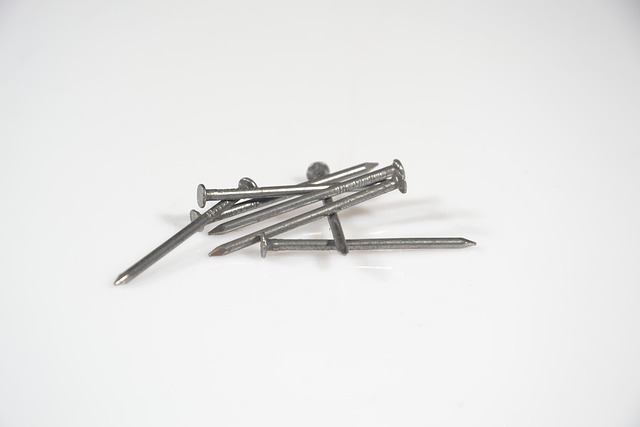
Image illustrating the verb Nailing Down

Image uploaded to Pixabay by kropekk_pl

.

Definition

To nail down something means to determine or establish a specified time, date, or amount, especially one that is previously uncertain. It can also refer to killing or defeating something emphatically, or convincing someone of something with evidence.

Examples

No.Example
1The manager needed to nail down the exact date for the meeting.
2After weeks of uncertainty, the team was finally able to nail down the location for the retreat.
3She worked hard to nail down the correct measurements for the project.
4The team nailed down the opponent 10-0, making it a convincing victory.
5Evidence from the scene helped the investigators to nail down the suspect's identity.
6The actor struggled to nail down the correct tone for the drama.
7The meteorologists are trying to nail down the timing for the impending storm.
8After many failures, the inventor was finally able to nail down the crucial flaw in the design.
9During the investigation, they were able to nail down the owner of the vehicle at fault.
10She tried to nail down the location of the much-loved scenic spot from her childhood.

Phrasal Verb - Narrowing Down

· 2 min read
Raymundo CH

Image illustrating the verb Narrowing Down

Image uploaded to Pixabay by fancycrave1

.

Definition

To narrow down a set of possibilities, options, or ideas means to reduce the number of alternatives or choices by eliminating or dismissing some of them, typically based on specific criteria or information. This process involves focusing on a smaller, more manageable group of options, often to make a decision, selection, or judgment.

Examples

No.Example
1The detective narrowed down the list of suspects by focusing on those with alibis for the time of the crime.
2She narrowed down her search for a new apartment by looking for ones within a specific price range.
3He narrowed down his options for college by considering only schools with strong programs in his field.
4They narrowed down the possibilities for a new restaurant location by looking for areas with high foot traffic.
5The manager narrowed down the list of candidates for the promotion by considering their performance and qualifications.
6He narrowed down his choices for a new car by focusing on models with good fuel efficiency and safety features.
7She narrowed down the options for a new job by considering only companies with a strong company culture.
8They narrowed down the potential investors by looking for ones with a proven track record of success.
9The researcher narrowed down the data to focus on the most relevant and reliable sources.
10He narrowed down his ideas for a new business by considering only those that aligned with his values and goals.