44 posts tagged with "Travel"

View All Tags

Phrasal Verb - Pull in

· 2 min read

Raymundo CH

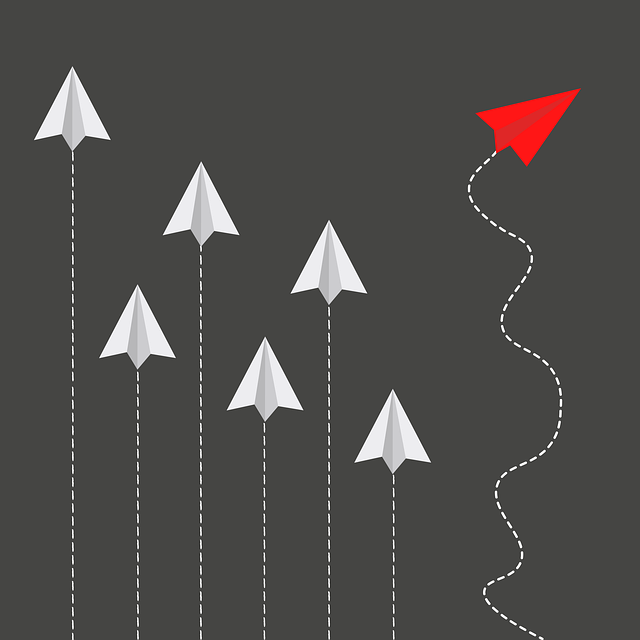
Image illustrating the verb Pull in

Image uploaded to Pixabay by utroja0

.

Definition

To pull in someone or something means to move them towards you, often with a force or energy, or to attract something, often interest, attention, or a resource. It can also mean to incorporate or include something, such as a new idea or a latest technology, into a system or process. In some cases, it can also imply that something is fixed in place, such as a pin or a peg.

Examples

No.Example
1She's pulling in her children from playtime to have dinner.
2The sales manager is working hard to pull in new customers.
3The team leader decided to pull in a professional to help with the project.
4The mechanic tried to pull in some gasoline to get the engine started.
5The company is trying to pull in the latest technology to improve efficiency.
6He's pulling in his old college friends to help him with his new business.
7The designer made sure to pull in enough fabric when cutting out the costume.
8The economy is pulling in tourists with its beautiful beaches.
9The teacher is trying to pull in her students' attention with an interesting story.
10The crash test dummies are pulled in for the safety tests.

Phrasal Verb - Make Up For

· 2 min read
Raymundo CH

Image illustrating the verb Make Up For

Image uploaded to Pixabay by tookapic

.

Definition

A phrasal verb used to describe the act of doing something to compensate or compensate for a mistake, problem, or unpleasant situation. It can also be used to explain that something is happening to make amends for a past issue or to counterbalance a previous bad situation.

Examples

No.Example
1I have to work extra hours to make up for the time I missed yesterday.
2The company is offering a discount to make up for the inconvenience caused by the delayed shipment.
3She has been studying hard to make up for not studying during her freshman year.
4The rain is pouring down to make up for the dry spell we've been experiencing.
5I'm trying to make up for lost time by working longer hours.
6The government is increasing the budget to make up for the economic losses during the pandemic.
7I have to make up for the disappointing performance by working harder next semester.
8The concert was rescheduled to make up for the cancellation due to the hurricane.
9I'm taking extra courses to make up for the credits I didn't gain in high school.
10The store is offering a promotion to make up for the lack of sales in the past quarter.

Phrasal Verb - Maxing Out

· 2 min read
Raymundo CH

Image illustrating the verb Maxing Out

Image uploaded to Pixabay by RosZie

.

Definition

To reach one's maximum capacity, limit, or potential; to go beyond a predetermined or acceptable level; to exhaust or deplete something quickly or completely. Can also refer to optimizing or exploiting something to the fullest extent, often in a faster-than-expected manner.

Examples

No.Example
1The car engine maxed out at 150 miles per hour, making it one of the fastest vehicles on the market.
2She maxed out her credit card on her shopping spree and had to wait for her next paycheck to pay off the debt.
3The company maxed out their production capacity and had to hire more workers to meet the high demand.
4He maxed out on his skills with the new software and became a leading expert in the field.
5The team maxed out their winning streak with a 10-game undefeated season.
6The new policy maxed out the allowed benefits for retirees, making it possible for them to live comfortably in their golden years.
7The donkey maxed out its carrying capacity for hay and had to be unloaded to continue its journey.
8She maxed out her time on the video game and set a new personal record for the level.
9The bank's high-interest rates led many customers to max out their loans, trying to take advantage of the situation.
10The young entrepreneur maxed out her investment potential with the successful launch of her business.

Phrasal Verb - Moving Along

· 2 min read
Raymundo CH

Image illustrating the verb Moving Along

Image uploaded to Pixabay by Juampi69

.

Definition

To move along means to continue with something, often to proceed with a plan or situation, but also to dismiss something as unnecessary or to show indifference. It can also imply a more literal movement, such as walking or moving in a particular direction. The phrase is often used to encourage someone to keep going, especially when faced with challenges or difficulties.

Examples

No.Example
1She decided to move along with her plans and ignore the naysayers.
2The teacher told the students to move along to the next lesson.
3After the break-up, he moved along and started dating again.
4The mailman moved along the sidewalk, delivering the mail to each house.
5The investigators moved along the trail, following the clues to solve the mystery.
6The tourists moved along the crowded streets, taking in the sights and sounds.
7She moved along through the tough times and ended up becoming a successful businesswoman.
8The DJs moved along the floor, dancing to the music and entertaining the crowd.
9The kids moved along the playground, laughing and playing on the swings and slides.
10The scientists moved along the research, making new discoveries and advancing their field.

Phrasal Verb - Muddling Through

· 2 min read
Raymundo CH

Image illustrating the verb Muddling Through

Image uploaded to Pixabay by NoName_13

.

Definition

Phrasal verb meaning to manage to do something or achieve a goal, often in a difficult or unexpected way, by using one's available resources and making things work as well as possible, even if they are not ideal. It often involves finding creative solutions and working around obstacles.

Examples

No.Example
1After a few weeks of struggling, she managed to muddle through the project and deliver it on time.
2Despite the language barrier, the couple managed to muddle through their conversation and understand each other.
3The team had to muddle through the initial stages of the project before they got the necessary funding.
4She's been struggling financially, but has been managing to muddle through by working extra hours.
5The new policy is causing a lot of confusion, but people are managing to muddle through somehow.
6After losing her job, she had to muddle through the initial weeks without a steady income.
7The company had to muddle through the terrible economic downturn, but eventually made a comeback.
8He's been trying to muddle through the injury, but it's been a real challenge for him.
9The tourists found it difficult to muddle through the crowded streets of the city, but persevered.
10The family managed to muddle through the disaster and recover in the long run.

Phrasal Verb - Noting Down

· 2 min read
Raymundo CH

Image illustrating the verb Noting Down

Image uploaded to Pixabay by congerdesign

.

Definition

To write or record something, especially in order to remember or refer to it later. This phrasal verb is used to describe the action of jotting down a piece of information, a thought, or a detail. It can be used in both a literal sense, such as writing something in a notebook, or a figurative sense, such as mentally recording a piece of information.

Examples

No.Example
1She sat down to note down her ideas before the meeting started.
2He was asked to note down his expenses for the trip.
3The student was instructed to note down the key points covered in the lecture.
4The reporter was tasked with noting down the quotes from the politician.
5The teacher asked the student to note down the formulas on the blackboard.
6He noted down the location of the meeting in his calendar.
7The researcher spent hours noting down the data from the experiment.
8The police officer was trained to note down the details of the crime scene.
9The traveler noted down the names of the places she visited on the map.
10The doctor asked the patient to note down her symptoms in order to make a diagnosis.

Phrasal Verb - Opting for

· 2 min read
Raymundo CH

Image illustrating the verb Opting for

Image uploaded to Pixabay by u_fg0tkeqgiy

.

Definition

to choose or select something or someone in preference to others; to decide that something is the best option

Examples

No.Example
1She opted for the vegetarian option at the restaurant.
2He opted for the more expensive insurance policy.
3They opted for the shorter route to avoid traffic.
4I opted for the hardcover book instead of the paperback.
5She opted for the morning class instead of the afternoon one.
6He opted for the phone instead of the email to communicate with his employer.
7They opted for the self-catering apartment instead of the hotel.
8I opted for the convertible car for the summer.
9She opted for the part-time job instead of the full-time one.
10He opted for the hiking boots instead of the sneakers.

Phrasal Verb - Pairing Up

· 2 min read
Raymundo CH

Image illustrating the verb Pairing Up

Image uploaded to Pixabay by abdulmominyottabd

.

Definition

The phrasal verb 'pair up' is a idiomatic expression that means to match or link two people as a couple, team, or duo. It can also imply that the two people are compatible or complementary in some way.

Examples

No.Example
1The company will pair up employees with different skill sets to form a new task force.
2The teacher will pair up the students to work on a group project.
3Can you pair up the socks in the drawer?
4The students were paired up for a science experiment.
5The restaurant will pair up wine with a selection of dishes.
6The matching algorithm pairs up users based on their preferences.
7The company pairs up its new employees with a mentor.
8The teacher decided to pair up the students for a language exchange program.
9The managers were paired up with their teams to work on a project.
10The resort offers horseback riding where guests can pair up with an experienced guide.

Phrasal Verb - Passing By

· 2 min read
Raymundo CH

Image illustrating the verb Passing By

Image uploaded to Pixabay by AndreasGoellner

.

Definition

The phrasal verb 'pass by' means to move past someone or something without stopping or noticing them. It can be used to describe a physical action, such as walking or driving past a person or place, but it can also be used figuratively to describe an opportunity or situation that is missed or not taken advantage of.

Examples

No.Example
1She passed by the store without going inside.
2The train passed by the platform at high speed.
3We passed by the lake on our way to the park.
4She passed by the job opportunity without applying.
5He passed by the party without stopping to say hello.
6The cyclist passed by the pedestrian with a smile.
7The boat passed by the dock without anchoring.
8The tour bus passed by the famous landmarks without stopping.
9The police car passed by the scene of the accident quickly.
10The students passed by the cafeteria without buying lunch.

Phrasal Verb - To Pause For

· 2 min read
Raymundo CH

Image illustrating the verb To Pause For

Image uploaded to Pixabay by Pezibear

.

Definition

To temporarily stop or delay in order to contemplate, consider, or take notice of something.

Examples

No.Example
1Stop the car and pause for a moment to enjoy the view.
2We'll pause for a brief moment before we begin the presentation.
3Can we pause for a second while I catch my breath?
4The chef asked us to pause for a moment while he plated the dessert.
5I'll pause for a second while I change the music.
6Can we pause for a moment to consider the options?
7Let's pause for a moment to reflect on our goals.
8The team paused for a moment to discuss the strategy.
9Can we pause for a second to look at this photograph?
10I need to pause for a moment to recharge my phone.