5 posts tagged with "Social interactions"

View All Tags

Phrasal Verb - Moving over

· 3 min read
Raymundo CH

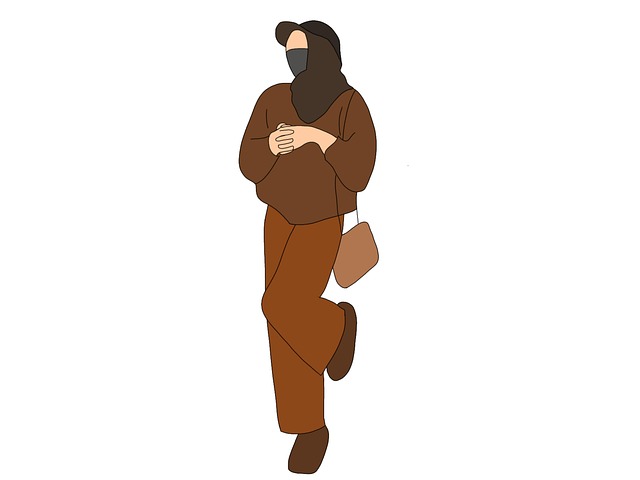
Image illustrating the verb Moving over

Image uploaded to Pixabay by bogitw

.

Definition

The phrasal verb "move over" carries both literal and figurative meanings, signifying a shift or displacement. Literally, it means to physically change one's position, usually by sliding or shifting sideways, in order to create space for another person or object. This is a common request or instruction in situations where people are seated or standing closely together, such as on a bench, in a car, or on public transport, to accommodate someone else or to simply gain more room. It can be used as a polite request ("Could you please move over?") or a more direct command ("Move over!").

Figuratively, "move over" implies relinquishing a position, role, dominance, or status to make way for someone or something new. This sense often suggests a transition or a generational shift, where established individuals, ideas, or technologies are replaced or overshadowed by newer ones. It can describe a veteran employee making space for a younger talent, an older technology being superseded by an innovative one, or an established paradigm giving way to a new one. In this context, it signifies not just physical space but also metaphorical 'room' in terms of influence, market share, or societal relevance.

Examples

No.Example
1Could you please move over a little so I can sit down next to you?
2The bus was packed, and I had to ask the woman by the window to move over.
3Move over, Rover, you're taking up the entire couch!
4With the rise of artificial intelligence, many old ways of working will have to move over.
5The veteran CEO decided it was time to move over and let a younger leader take the helm.
6If everyone just moves over slightly, we can all fit into this group photo.
7The cat refused to move over, stubbornly remaining sprawled across the keyboard.
8New streaming services are forcing traditional cable providers to move over or risk obsolescence.
9She had to move over quickly on the narrow path to avoid colliding with the cyclist.
10It's hard for established artists to move over when new, exciting talents emerge.

Phrasal Verb - Passing By

· 2 min read
Raymundo CH

Image illustrating the verb Passing By

Image uploaded to Pixabay by AndreasGoellner

.

Definition

The phrasal verb 'pass by' means to move past someone or something without stopping or noticing them. It can be used to describe a physical action, such as walking or driving past a person or place, but it can also be used figuratively to describe an opportunity or situation that is missed or not taken advantage of.

Examples

No.Example
1She passed by the store without going inside.
2The train passed by the platform at high speed.
3We passed by the lake on our way to the park.
4She passed by the job opportunity without applying.
5He passed by the party without stopping to say hello.
6The cyclist passed by the pedestrian with a smile.
7The boat passed by the dock without anchoring.
8The tour bus passed by the famous landmarks without stopping.
9The police car passed by the scene of the accident quickly.
10The students passed by the cafeteria without buying lunch.

Phrasal Verb - Getting along

· 3 min read
Raymundo CH

Image illustrating the verb Getting along

Image uploaded to Pixabay by RiaKartika

.

Definition

The phrasal verb "get along" primarily refers to the act of having a friendly, harmonious, or congenial relationship with someone. This implies a mutual understanding, respect, and an ability to coexist without significant conflict or tension. People who "get along" well often enjoy each other's company, communicate effectively, and can work or live together peacefully. It can apply to family members, friends, colleagues, neighbors, or even broader groups within a society.

Secondly, "get along" can also mean to manage, cope, or progress in a particular situation, task, or aspect of life, often implying a degree of success or how well one is adapting. In this sense, it often appears in questions like "How are you getting along with your new project?" or "How is she getting along since she moved?" It inquires about someone's progress, well-being, or adaptation to new circumstances, sometimes even without an explicit object (e.g., just "getting along"). The specific meaning is usually determined by the context, particularly whether the phrase is followed by "with someone/something" or if it stands alone to describe one's general state or progress.

Examples

No.Example
1My sister and I have always gotten along really well, despite our different personalities.
2It's crucial for team members to get along if they want to achieve their goals efficiently.
3Despite their initial disagreements, the two politicians eventually learned to get along for the sake of their constituents.
4How are you getting along with your new neighbors? Have you had a chance to meet them yet?
5I hope the new intern gets along with the rest of the department; a positive atmosphere is vital.
6Even though they were rivals, the two companies found a way to get along on the joint venture.
7"How are you getting along since you moved to the city?" she asked, genuinely concerned about his adjustment.
8It's important to teach children how to get along with others from a young age to foster social skills.
9He finds it difficult to get along with people who are constantly negative and complaining.
10If we're going to share this apartment, we need to make an effort to get along and respect each other's space.

Phrasal Verb - Getting Away

· 2 min read
Raymundo CH

Image illustrating the verb Getting Away

Image uploaded to Pixabay by peteyp8

.

Definition

The phrasal verb 'get away' is multifaceted, primarily meaning to escape or leave a place or situation. It can refer to successfully fleeing from a pursuer, a dangerous situation, or a place of confinement. Another common meaning is to go on a short vacation or a break from one's daily routine, often to relax or seek new experiences. It can also imply avoiding punishment or negative consequences for an action, particularly if one commits a wrongdoing and is not caught or held accountable. Less commonly, it can simply mean to depart from a place or a person, sometimes with difficulty. The context often dictates the precise nuance of 'get away'.

Examples

No.Example
1The prisoners managed to get away under the cover of darkness.
2We're hoping to get away for a long weekend to the mountains next month.
3The clever fox always seems to get away without being caught by the hunters.
4I just need to get away from all the noise and stress of the city for a while.
5She found it hard to get away from the conversation, as her boss kept talking.
6Despite their efforts, the police couldn't prevent the suspect from getting away.
7After working so hard, they deserved to get away to a tropical island.
8He got away with a warning this time, but he knows he was lucky.
9Let's try to get away early tomorrow morning to beat the traffic.
10The children tried to get away from their parents to explore the park on their own.

Phrasal Verb - Blowing Off

· 3 min read
Raymundo CH

Image illustrating the verb Blowing Off

Image uploaded to Pixabay by ulleo

.

Definition

The phrasal verb 'blow off' has several distinct meanings, often used informally or colloquially:

  1. To deliberately fail to attend an appointment, meeting, or social engagement; to ignore or avoid someone or something. This implies a conscious decision to not participate, often demonstrating a lack of respect for the other party or the commitment. It suggests a casual dismissal of an obligation. Example: He completely blew off our lunch appointment without even calling.

  2. To dismiss, disregard, or treat something as unimportant or not worth serious consideration. This can apply to advice, warnings, responsibilities, suggestions, or criticisms, often leading to negative consequences if the dismissed item was indeed important. Example: She tends to blow off constructive criticism, which isn't always beneficial for her growth.

  3. To release pent-up energy, anger, frustration, or stress. This is often used reflexively as 'blow off steam' or simply 'blow off' when referring to the need to expel negative emotions or excess energy in a harmless or recreational way. Example: After a particularly tough week, I need to go to the gym to blow off some steam.

  4. To defeat an opponent easily in a competition. While 'blow out' is more commonly used for this specific meaning, 'blow off' can sometimes be employed informally to convey an overwhelming or effortless victory against an opposing team or individual. Example: Our team surprisingly blew off the championship contenders in the first round.

  5. To cause something to be removed or detached by force of air or an explosion. This is a more literal application of 'blow' combined with 'off', signifying something being dislodged or separated due to powerful air currents or an explosive force. Example: The strong hurricane winds threatened to blow off parts of the building's roof.

Examples

No.Example
1He completely blew off our team meeting, claiming he forgot about it.
2Don't just blow off his warnings; they might save you a lot of trouble later.
3After a stressful exam, I always try to go for a long walk to blow off some steam.
4She's notorious for blowing off social plans at the last minute if something better comes along.
5The manager had a tendency to blow off employee suggestions, which led to low morale.
6We expected a tough opponent, but our star player managed to blow off the competition with ease.
7If you keep blowing off your responsibilities, you'll never achieve your goals.
8The safety valve was designed to blow off excess pressure and prevent an explosion.
9He tried to apologize, but she just blew him off, still too angry to listen.
10Let's go to the arcade and blow off some energy after sitting in lectures all day.