8 posts tagged with "Law"

View All Tags

Phrasal Verb - Pull in

· 2 min read

Raymundo CH

Image illustrating the verb Pull in

Image uploaded to Pixabay by utroja0

.

Definition

To pull in someone or something means to move them towards you, often with a force or energy, or to attract something, often interest, attention, or a resource. It can also mean to incorporate or include something, such as a new idea or a latest technology, into a system or process. In some cases, it can also imply that something is fixed in place, such as a pin or a peg.

Examples

No.Example
1She's pulling in her children from playtime to have dinner.
2The sales manager is working hard to pull in new customers.
3The team leader decided to pull in a professional to help with the project.
4The mechanic tried to pull in some gasoline to get the engine started.
5The company is trying to pull in the latest technology to improve efficiency.
6He's pulling in his old college friends to help him with his new business.
7The designer made sure to pull in enough fabric when cutting out the costume.
8The economy is pulling in tourists with its beautiful beaches.
9The teacher is trying to pull in her students' attention with an interesting story.
10The crash test dummies are pulled in for the safety tests.

Phrasal Verb - paying back

· 2 min read
Raymundo CH

Image illustrating the verb paying back

Image uploaded to Pixabay by TOMCHIPONGE

.

Definition

to repay or give back something, especially money, to someone, often in the form of compensation, reparation, or revenge; to return something, such as a favor, kindness, or money, that had been given or lent, usually to restore balance or to settle a debt.

Examples

No.Example
1The court ordered the company to pay back the money it had illegally collected from its customers.
2I'll pay back the loan as soon as I get my next paycheck.
3He felt guilty for taking the money and promised to pay it back to his sister.
4The bank had to pay back the investors after the stock market crashed.
5If you borrow something from me, you have to pay it back when I ask for it.
6The university will pay back the tuition fees to the students who received false admissions letters.
7The politician was accused of paying back bribes from wealthy donors.
8The company will pay back the interest on the loan to the bank within the next month.
9After the wedding reception, the groom had to pay back the charge to his card
10The store will pay back the difference if the prices are lower when the customer brings the proof of lowest sale price

Phrasal Verb - Picking Apart

· 2 min read
Raymundo CH

Image illustrating the verb Picking Apart

Image uploaded to Pixabay by manfredrichter

.

Definition

To analyze or examine something carefully and thoroughly in order to find and criticize its faults or weaknesses, often in a detailed or minute manner.

Examples

No.Example
1The critic picked apart the flawed plot of the movie.
2The lawmakers picked apart the bill to determine which changes to propose.
3The journalist picked apart the evidence presented during the trial.
4The teacher picked apart the students' essays to pinpoint areas for improvement.
5The expert picked apart the product's specifications to identify potential drawbacks.
6The reviewer picked apart the person's performance to assess their strengths and weaknesses.
7The group picked apart the theories to understand their validity.
8The detective picked apart the clues to piece together the mystery.
9The scientists picked apart the data to isolate the key trends.
10The accountant picked apart the budget to identify areas where cost-cutting measures could be implemented.

Phrasal Verb - Pore over

· 2 min read
Raymundo CH

Image illustrating the verb Pore over

Image uploaded to Pixabay by MasterTux

.

Definition

To examine closely and carefully, especially something written or illustrated; to study intensively.

Examples

No.Example
1She spent the whole afternoon pored over the notes, making sure she understood the material.
2He pored over the financial reports to find out where the company was losing money.
3The professor asked her students to pore over the textbook before the exam.
4They pored over the map, trying to find the best route to the hotel.
5He pored over the contract, looking for any hidden clauses.
6The researchers pored over the data, trying to find any patterns or trends.
7She pored over the menu, trying to decide what to eat at the restaurant.
8The artist pored over her paintings, trying to decide which one to submit to the exhibition.
9The editor pored over the manuscript, looking for any errors or inconsistencies.
10They pored over the instruction manual, trying to figure out how to assemble the furniture.

Phrasal Verb - Raking Over

· 2 min read
Raymundo CH

Image illustrating the verb Raking Over

Image uploaded to Pixabay by utroja0

.

Definition

To thoroughly examine or discuss (a past event or issue) in order to criticize, reopen wounds, or find fault. This phrase refers to going over something meticulously and bringing up old and potentially unpleasant details.

Examples

No.Example
1The media is raking over the scandal, bringing up old allegations against the politician.
2I don't want to rake over the past; I'd rather focus on the future.
3The defense lawyer tried to rake over the evidence to prove the defendant's innocence.
4The family reunion was ruined when one member started raking over old grudges.
5The investigators raked over every detail of the crime scene.
6The ex-employees raked over the company's mismanagement during the deposition.
7The journalist was criticized for raking over the tragic accident in her article.
8The professor raked over the exam answers to ensure fairness and accuracy.
9The manager raked over the project plans during the weekly meeting.
10The detective raked over the evidence to find a link between the suspects

Phrasal Verb - Cut Through

· 2 min read
Raymundo CH

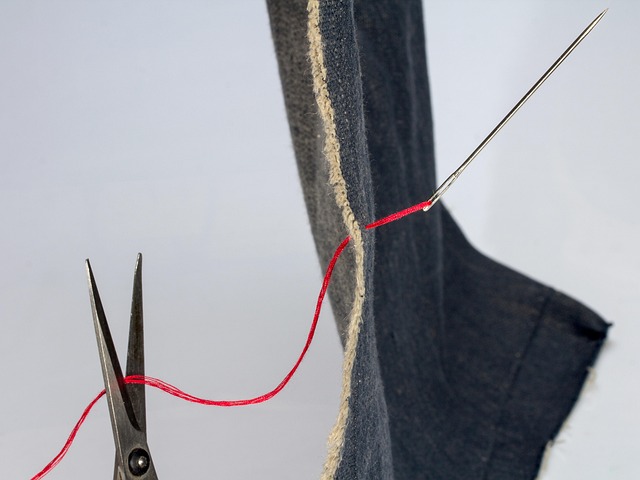
Image illustrating the verb Cut Through

Image uploaded to Pixabay by domeckopol

.

Definition

To cut through something is a phrasal verb that means to pass through something difficult, complicated, or secretive, often with the purpose of achieving a goal, resolving a problem, or getting to the truth. It can also mean to cut something apart or divide it into two or more parts. This verb phrase can be used in various contexts, including business, politics, and everyday life.

Examples

No.Example
1The detective was able to cut through the suspect's alibi and reveal a crucial piece of evidence.
2The team leader tried to cut through the cluttered data to find the most important information.
3The politician's speech was criticized for trying to cut through the complexity of the economic issue.
4The engineer had to cut through the plastic to access the electronic components.
5The writer had to cut through the rumors and get to the truth in her investigation.
6The lawyer was able to cut through the technicalities and make the case more understandable to the jury.
7The manager tried to cut through the red tape to speed up the processing of the permit.
8The scientist had to cut through the crystal to reach the center.
9The artist used a laser to cut through the metal and create a unique design.
10The doctor had to cut through the dense tissue to reach the vital organs.

Phrasal Verb - Bringing in

· 2 min read
Raymundo CH

Image illustrating the verb Bringing in

Image uploaded to Pixabay by bartekhdd

.

Definition

The phrasal verb "bring in" is highly versatile, possessing several distinct meanings depending on the context. Primarily, it refers to the act of generating or earning money, profit, or revenue, as in securing financial gain for an individual or an organization. Secondly, it is commonly used to describe the introduction or implementation of something new, such as a law, a system, a policy, or a custom, making it effective or operational. Thirdly, "bring in" can mean to involve or recruit someone (often an expert, consultant, or additional personnel) for a specific task, project, or situation where their skills or presence are required. In a legal context, it specifically refers to a jury or court delivering or presenting a verdict. Less frequently, it can denote the act of collecting or gathering something, like a harvest, or causing something to become fashionable, popular, or accepted.

Examples

No.Example
1The new product line is expected to bring in significant profits for the company next quarter.
2The government plans to bring in stricter environmental regulations next year.
3We need to bring in an external consultant to help us resolve this complex technical issue.
4The jury brought in a guilty verdict after days of deliberation.
5Farmers are working hard to bring in the harvest before the storm hits.
6The marketing team's innovative campaign managed to bring in thousands of new customers.
7To expand our operations, we'll need to bring in more capital from investors.
8Her unique style helped to bring in a fresh perspective to the fashion industry.
9The charity event brought in a substantial amount of donations for the local orphanage.
10The manager decided to bring in a new project lead to accelerate development.

Phrasal Verb - accounting for

· 2 min read
Raymundo CH

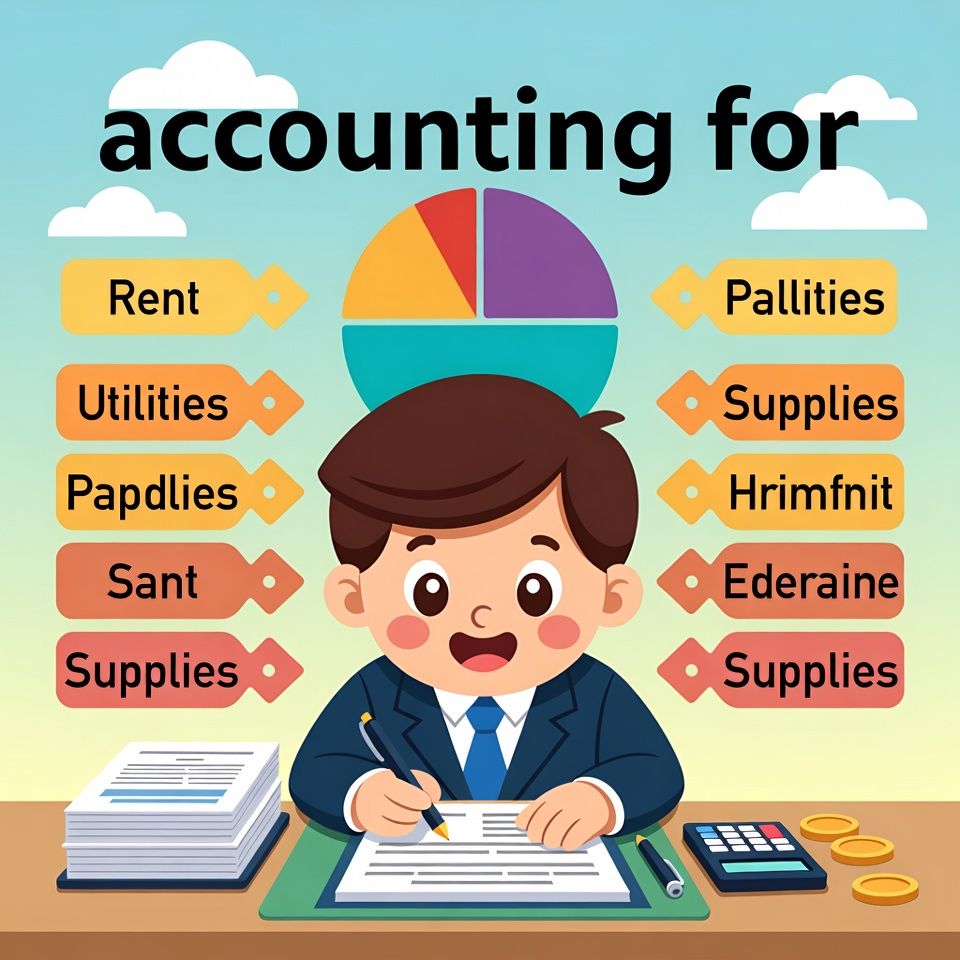
Cartoon representing the phrasal verb accounting for

Definition

The phrasal verb "account for" is multi-faceted, carrying distinct meanings depending on its context. Primarily, it means to provide a satisfactory explanation or justification for something, often an event, an action, a decision, or a phenomenon; this involves elucidating the reasons, causes, or circumstances behind it. Secondly, it is used to signify that something constitutes, makes up, or forms a particular proportion, share, or part of a larger whole, quantifying its contribution or representation. Thirdly, "account for" can mean to be responsible for managing, explaining the whereabouts, or detailing the use of money, assets, or property that has been entrusted to one's care. Lastly, it can refer to explaining what has become of someone or something that is missing, lost, or unaccounted for, ensuring all items or individuals are located or their fate is known.

Examples

1The manager asked the team to prepare a report accounting for the unexpected decrease in sales last quarter.
2Scientists are still accounting for the sudden changes in the polar ice caps, linking them to global warming.
3The financial department is responsible for accounting for every penny spent from the company's budget.
4Online transactions are now accounting for over 70% of our total retail sales.
5The suspect struggled to provide a credible alibi, accounting for his whereabouts on the night of the incident.
6We need to implement a new inventory system capable of accurately accounting for all incoming and outgoing stock.
7Cultural differences often account for variations in consumer behavior across international markets.
8During the audit, the accountant was tasked with accounting for a significant discrepancy in the company's records.
9His consistent dedication and hard work accounted for his rapid promotion within the firm.
10The project manager needs to account for the delays in the construction schedule to the stakeholders.