10 posts tagged with "science"

View All Tags

Phrasal Verb - Masking Off

· 2 min read

Raymundo CH

Image illustrating the verb Masking Off

Image uploaded to Pixabay by MIH83

.

Definition

To mask off is a phrasal verb that means to cover or conceal something completely, often with a physical barrier, so that it becomes hidden or invisible. This can be done for various reasons such as protection, preservation, or concealment. It involves applying a substance, material, or object to cover the area, often using techniques like painting, tape, or board to prevent access or visibility.

Examples

No.Example
1The builder masked off the area with a tarp to prevent debris from entering the house.
2The artist masked off the model's skin with layers of oil paint to create a realistic effect.
3The doctor masked off the teeth with a special gel to analyze them before the dental surgery.
4Construction workers masked off the road to ensure caution and minimize dust during the renovations.
5The technician masked off the electrical components to repair them safely.
6The store masked off the shelf with a protective border to conceal broken glass.
7The scientists masked off a section of the lab to contain a hazardous experiment.
8The parent masked off the dark corners of the child's room with tape to create a playground.
9The painter masked off the cutouts of the old furniture to protect them from paint spills.
10The hippopotamus rolled the water's mask off in the hot sun.

Phrasal Verb - Noting Down

· 2 min read
Raymundo CH

Image illustrating the verb Noting Down

Image uploaded to Pixabay by congerdesign

.

Definition

To write or record something, especially in order to remember or refer to it later. This phrasal verb is used to describe the action of jotting down a piece of information, a thought, or a detail. It can be used in both a literal sense, such as writing something in a notebook, or a figurative sense, such as mentally recording a piece of information.

Examples

No.Example
1She sat down to note down her ideas before the meeting started.
2He was asked to note down his expenses for the trip.
3The student was instructed to note down the key points covered in the lecture.
4The reporter was tasked with noting down the quotes from the politician.
5The teacher asked the student to note down the formulas on the blackboard.
6He noted down the location of the meeting in his calendar.
7The researcher spent hours noting down the data from the experiment.
8The police officer was trained to note down the details of the crime scene.
9The traveler noted down the names of the places she visited on the map.
10The doctor asked the patient to note down her symptoms in order to make a diagnosis.

Phrasal Verb - Picking Apart

· 2 min read
Raymundo CH

Image illustrating the verb Picking Apart

Image uploaded to Pixabay by manfredrichter

.

Definition

To analyze or examine something carefully and thoroughly in order to find and criticize its faults or weaknesses, often in a detailed or minute manner.

Examples

No.Example
1The critic picked apart the flawed plot of the movie.
2The lawmakers picked apart the bill to determine which changes to propose.
3The journalist picked apart the evidence presented during the trial.
4The teacher picked apart the students' essays to pinpoint areas for improvement.
5The expert picked apart the product's specifications to identify potential drawbacks.
6The reviewer picked apart the person's performance to assess their strengths and weaknesses.
7The group picked apart the theories to understand their validity.
8The detective picked apart the clues to piece together the mystery.
9The scientists picked apart the data to isolate the key trends.
10The accountant picked apart the budget to identify areas where cost-cutting measures could be implemented.

Phrasal Verb - Pore over

· 2 min read
Raymundo CH

Image illustrating the verb Pore over

Image uploaded to Pixabay by MasterTux

.

Definition

To examine closely and carefully, especially something written or illustrated; to study intensively.

Examples

No.Example
1She spent the whole afternoon pored over the notes, making sure she understood the material.
2He pored over the financial reports to find out where the company was losing money.
3The professor asked her students to pore over the textbook before the exam.
4They pored over the map, trying to find the best route to the hotel.
5He pored over the contract, looking for any hidden clauses.
6The researchers pored over the data, trying to find any patterns or trends.
7She pored over the menu, trying to decide what to eat at the restaurant.
8The artist pored over her paintings, trying to decide which one to submit to the exhibition.
9The editor pored over the manuscript, looking for any errors or inconsistencies.
10They pored over the instruction manual, trying to figure out how to assemble the furniture.

Phrasal Verb - Pouring Over

· 2 min read
Raymundo CH

Image illustrating the verb Pouring Over

Image uploaded to Pixabay by minka2507

.

Definition

To study or examine something very closely and thoroughly, often in a detailed and meticulous way, typically in order to gain a deeper understanding or to analyze the information carefully.

Examples

No.Example
1The scientist spent hours pouring over the data to identify the cause of the error.
2The researcher poured over the research papers to ensure the accuracy of the results.
3The detective poured over the crime scene evidence to find any clues.
4The chef spent hours pouring over the recipe to perfect the dish.
5The project manager poured over the budget to identify areas for cost-cutting.
6The student poured over the textbook to prepare for the exam.
7The artist poured over the painting to add the final touches.
8The designer poured over the design concept to ensure it met the client's requirements.
9The engineer poured over the technical specifications to ensure the new machine met safety standards.
10The food critic poured over the menu to find the perfect dish to review.

Phrasal Verb - Cutting Up

· 2 min read
Raymundo CH

Image illustrating the verb Cutting Up

Image uploaded to Pixabay by GrownDiamond

.

Definition

To cut up is a phrasal verb that means to dissect, analyze, or break down something, such as a problem, a relationship, or a concept, into smaller parts in order to understand its various components, their interactions, and their implications. It can also refer to the act of criticizing or condemning something harshly, often in a public or formal manner.

Examples

No.Example
1The professor decided to cut up the complex theory into smaller chapters for the students to understand.
2The journalist was known for cutting up politicians' speeches to point out their contradictions.
3The psychologist used the technique of cutting up the patient's memories to treat their psychological trauma.
4The critics cut up the director's new movie, calling it a waste of resources.
5The manager decided to cut up the company's budget to allocate funds to more essential projects.
6The scientist cut up the data to identify patterns and make predictions.
7The writer felt it was necessary to cut up the societal norms to reveal the harsh reality.
8The lawyer cut up the defendant's alibi to expose their lack of credibility.
9The teacher cut up the textbook to provide a more engaging learning experience for her students.
10The researchers cut up the research papers to examine the relationships between variables.

Phrasal Verb - Figure Out

· 2 min read
Raymundo CH

Image illustrating the verb Figure Out

Image uploaded to Pixabay by Alexas_Fotos

.

Definition

To figure out something or someone means to understand, comprehend, or solve a problem, puzzle, or complex issue. It requires critical thinking, analytical skills, and often experience. Figuring out means to decipher the hidden meaning, identify patterns, connections, or relationships, and reach a logical conclusion. It can be applied to a wide range of situations, from personal relationships to scientific inquiry, and requires the ability to decompose complex information, apply relevant knowledge, and integrate new insights.

Examples

No.Example
1I've been trying to figure out how to fix the bike for hours.
2It took me a while to figure out the plot of the movie.
3Can you help me figure out why my car isn't starting?
4It's not easy to figure out what she's really thinking.
5I've been trying to figure out how to get an internship in marketing.
6It took me two attempts to figure out how to cook the perfect steak.
7Can you help me figure out why I'm not getting any job offers?
8It's difficult to figure out what the teacher wants us to submit for the project.
9I've been trying to figure out how to learn a new language.
10It took me ages to figure out the lyrics to my favorite song.

Phrasal Verb - lighting_up

· 2 min read
Raymundo CH

Image illustrating the verb lighting_up

Image uploaded to Pixabay by ColiN00B

.

Definition

To make something become visible or noticeable, often by turning on a light or by making an idea or situation clear. This phrasal verb can also mean to become excited or enthusiastic about something.

Examples

No.Example
1The street was lit up with colorful lights during the holiday season.
2The fireworks lit up the night sky.
3The discovery of penicillin lit up the world of medicine.
4The news about the promotion lit her up with excitement.
5The stage was lit up for the performance.
6The police car lights lit up the dark street.
7The presentation lit up the room with new ideas.
8The fireworks lit up the sky, marking the end of the show.
9The discovery of gold lit up the prospectors with excitement.
10The room was lit up by the candles, creating a romantic atmosphere.

Phrasal Verb - accounting for

· 2 min read
Raymundo CH

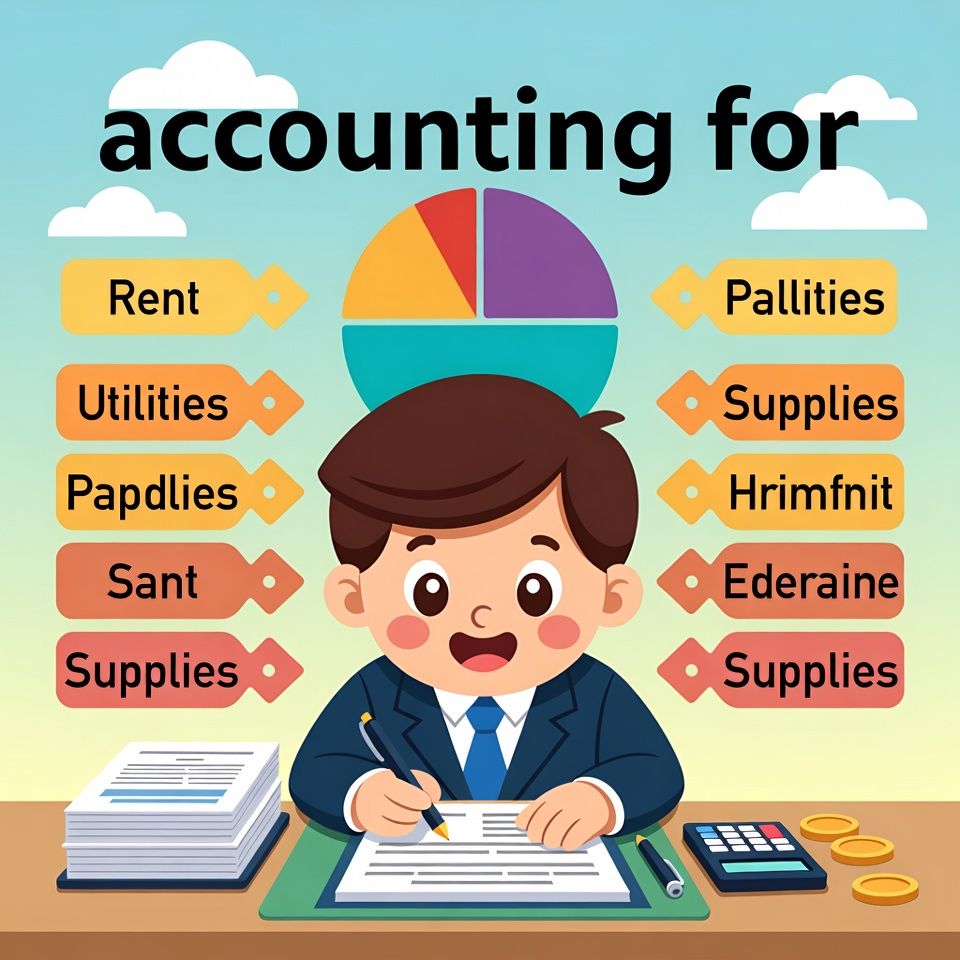
Cartoon representing the phrasal verb accounting for

Definition

The phrasal verb "account for" is multi-faceted, carrying distinct meanings depending on its context. Primarily, it means to provide a satisfactory explanation or justification for something, often an event, an action, a decision, or a phenomenon; this involves elucidating the reasons, causes, or circumstances behind it. Secondly, it is used to signify that something constitutes, makes up, or forms a particular proportion, share, or part of a larger whole, quantifying its contribution or representation. Thirdly, "account for" can mean to be responsible for managing, explaining the whereabouts, or detailing the use of money, assets, or property that has been entrusted to one's care. Lastly, it can refer to explaining what has become of someone or something that is missing, lost, or unaccounted for, ensuring all items or individuals are located or their fate is known.

Examples

1The manager asked the team to prepare a report accounting for the unexpected decrease in sales last quarter.
2Scientists are still accounting for the sudden changes in the polar ice caps, linking them to global warming.
3The financial department is responsible for accounting for every penny spent from the company's budget.
4Online transactions are now accounting for over 70% of our total retail sales.
5The suspect struggled to provide a credible alibi, accounting for his whereabouts on the night of the incident.
6We need to implement a new inventory system capable of accurately accounting for all incoming and outgoing stock.
7Cultural differences often account for variations in consumer behavior across international markets.
8During the audit, the accountant was tasked with accounting for a significant discrepancy in the company's records.
9His consistent dedication and hard work accounted for his rapid promotion within the firm.
10The project manager needs to account for the delays in the construction schedule to the stakeholders.

Phrasal Verb - acting on

· 2 min read
Raymundo CH

Cartoon representing the phrasal verb acting on

Definition

The phrasal verb 'act on' generally signifies two primary meanings, and 'acting on' is its gerund form, referring to the ongoing process or state of these actions. Firstly, it means to take action or respond based on information, advice, instructions, a decision, or a stimulus. This implies a conscious decision by an agent to implement or follow through with something that has been communicated or decided. For example, 'acting on advice' means putting that advice into practice. Secondly, 'act on' can mean to have an effect or influence upon something, often in a physical, chemical, or biological context, without necessarily involving conscious decision. In this sense, one substance, force, or principle 'acts on' another, causing a change, reaction, or particular outcome. The gerund 'acting on' thus encapsulates both the active implementation of directives and the inherent exertance of influence or effect.

Examples

1The manager emphasized the importance of acting on customer feedback to improve service quality.
2After a thorough investigation, the police began acting on the new intelligence to apprehend the suspect.
3Scientists are studying how certain enzymes are acting on cellular processes to understand disease mechanisms.
4Despite the risks, she found herself acting on her intuition, which ultimately led to a successful outcome.
5The financial firm specializes in acting on market trends and data to make informed investment decisions.
6It's vital for emergency services to be capable of acting on urgent warnings without delay.
7The new software patch is designed for acting on security threats in real-time.
8He's been hesitant about acting on the proposed changes to his business model, despite their potential benefits.
9Environmental regulations are often established with the goal of acting on industrial pollution to protect natural resources.
10The body's immune system is constantly acting on foreign invaders to maintain health.