129 posts tagged with "business"

View All Tags

Phrasal Verb - Eke Out

· 2 min read
Raymundo CH

Image illustrating the verb Eke Out

Image uploaded to Pixabay by RosZie

.

Definition

to manage to achieve something, especially with great difficulty or effort, by finding ways to save money, time, or energy, often by reducing expenses or making minor adjustments.

Examples

No.Example
1She had to eke out a living from her part-time job and social security.
2The family had to eke out what little they had for Christmas.
3They struggled to eke out a living in the city with its high cost of living.
4He had to eke out an income from freelancing work.
5The couple tried to eke out a romantic evening despite the noisy neighbors.
6The non-profit organization had to eke out donations from generous donors.
7The space station had to eke out fuel to avoid running out of resources.
8The winner had to eke out a narrow victory in the election.
9The restaurant had to eke out a profit by cutting costs and increasing efficiency.
10The government had to eke out funds to repair the damage from the hurricane.

Phrasal Verb - Face Up To

· 2 min read
Raymundo CH

Image illustrating the verb Face Up To

Image uploaded to Pixabay by schuetz-mediendesign

.

Definition

To confront or deal with a difficult situation or problem, often one that has been avoided or put off for some time, and to accept its challenges and consequences. It can also mean to be honest or open about one's feelings, intentions, or actions, even if it's uncomfortable or difficult.

Examples

No.Example
1I've been putting it off for weeks, but I finally face up to the fact that I need to quit my job.
2She faced up to her fears and spoke out against the injustice.
3He's been taking shortcuts on the project, but I'm going to face up to him about it.
4The company will face up to the consequences of their wrongdoings and make amends.
5I've been face up to the reality of my financial situation and am taking steps to fix it.
6She face up to her past mistakes and is working on redemption.
7The team will face up to the tough competition and push themselves to be better.
8He'll face up to the pain and continue to move forward.
9The government will face up to the criticism and make changes.
10Face up to your flaws and weaknesses, and work on improving yourself.

Phrasal Verb - Falling Apart

· 2 min read
Raymundo CH

Image illustrating the verb Falling Apart

Image uploaded to Pixabay by AndDe14

.

Definition

The phrasal verb 'fall apart' is a transitive verb phrase that means to become or make something separate or disintegrate into parts. It can be used literally or figuratively, depending on the context. When used literally, 'fall apart' means to break or crumble into pieces due to physical stress or damage. On the other hand, it can be used figuratively to describe situations where relationships, organizations, or systems begin to disintegrate or fail due to internal issues, external pressures, or lack of cohesion.

Examples

No.Example
1The old building fell apart after the earthquake.
2Her business fell apart due to mismanagement.
3He fell apart when his mother passed away.
4The team fell apart during the playoffs.
5Her marriage fell apart after the infidelity scandal.
6The bridge fell apart in the storm.
7Their friendship fell apart after the fight.
8The committee fell apart due to disagreements.
9The company fell apart after the financial crisis.
10Her health fell apart after she stopped exercising.

Phrasal Verb - Falling Back

· 2 min read
Raymundo CH

Image illustrating the verb Falling Back

Image uploaded to Pixabay by geralt

.

Definition

To fall back is a phrasal verb that means to resort to an alternative plan or method when the original one fails or is not feasible. It can also mean to rely on one's backup systems or resources in case of an emergency or a breakdown. In electronics, falling back can refer to a device or system reverting to a previous setting or configuration after a certain condition is met. This phrasal verb is widely used in various contexts, including business, technology, and everyday life.

Examples

No.Example
1The company decided to fall back on its traditional marketing strategies because the new digital campaign didn't yield the desired results.
2In case of a power outage, the hotel's backup generators will fall back into operation to keep the lights on.
3After the software update failed, the developer chose to fall back to the previous version to maintain stability.
4The airline had to fall back to a different flight plan due to bad weather conditions.
5In this emergency, the hospital's contingency plan will fall back into action to ensure proper patient care.
6The team leader decided to fall back on the original plan after the new strategy didn't work out.
7If you encounter problems with the printer, you can fall back on the inkjet alternative for now.
8In electronics, a microchip may fall back to its default settings after a system reset.
9To avoid a stockout, suppliers need to fall back on their emergency inventory levels to meet customer demand.
10After the server crashed, the database team had to fall back to a previous version of the software for recovery.

Phrasal Verb - Falling Behind

· 2 min read
Raymundo CH

Image illustrating the verb Falling Behind

Image uploaded to Pixabay by ctvgs

.

Definition

To fall behind means to be or become slower, weaker, or less successful than others, often because of not working as hard, not being as skilled, or not getting the support you need. It can also refer to a person, team, or project losing their competitive advantage or position in a particular situation. Falling behind can happen in various areas, such as academic, professional, financial, or social progress. It may be a temporary setback or a more persistent issue that requires significant effort to recover from.

Examples

No.Example
1After a series of losses, the team started to fall behind in the league standings.
2She was determined not to fall behind her classmates in the math competition.
3The company's earnings report showed that they were falling behind their competitors in the market.
4He tried to keep up with his workout routine but started to fall behind due to an injury.
5The economy was falling behind other developed countries in terms of GDP growth.
6The new employee struggled to keep up with the workload and started to fall behind on deadlines.
7Her pet could no longer keep up with the older dogs and started to fall behind in the agility course.
8The research project was falling behind schedule and was at risk of not meeting the grant's requirements.
9The family's financial situation started to fall behind due to unexpected expenses.
10The athlete had a great season last year but started to fall behind this year due to a lack of training.

Phrasal Verb - Falling Down

· 2 min read
Raymundo CH

Image illustrating the verb Falling Down

Image uploaded to Pixabay by Alexas_Fotos

.

Definition

To fall down is a phrasal verb that means to collapse or come crashing down, either physically or metaphorically. It often implies a loss of control, stability, or balance. This verb can be used in various situations, such as a person falling down due to a physical injury, a business falling down due to financial difficulties, or a system falling down due to a technical glitch.

Examples

No.Example
1The old building could fall down at any moment due to its deteriorating structure.
2The company's profits fell down sharply after the economic crisis.
3The roller coaster rider fell down after the safety bar failed to engage.
4As the patient's blood pressure fell down, the doctor decided to administer medication.
5The tree branch fell down during the storm, causing a power outage.
6The stock market fell down after the company announced its quarterly losses.
7The hiker fell down a steep cliff while trying to reach the top of the mountain.
8The temperature fell down to -20°C, causing the pipes to freeze.
9The parliament fell down after the opposition party withdrew its support.
10The animal fell down a well and had to be rescued by the local fire department.

Phrasal Verb - Fall Through

· 2 min read
Raymundo CH

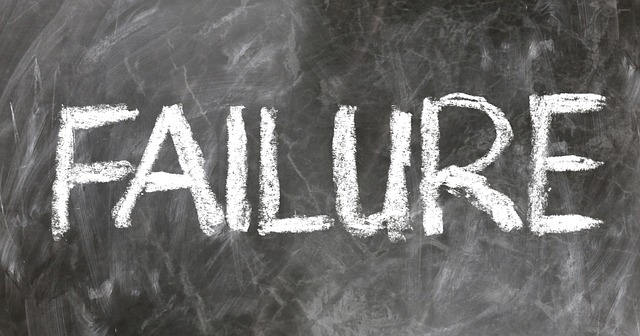
Image illustrating the verb Fall Through

Image uploaded to Pixabay by makabera

.

Definition

to fail to achieve or complete a particular goal or requirement, especially because something else has happened or taken priority; to collapse or give way under pressure or stress; to permit something undesirable or unpleasant to occur or continue happening.

Examples

No.Example
1The project is likely to fall through if we can't secure sufficient funding.
2The economy is in trouble and businesses are starting to fall through.
3If we can't agree on the terms of the contract, the deal will probably fall through.
4The family's plans for a vacation fell through when the father lost his job.
5The government's promises to improve education are starting to fall through.
6After a series of bad reviews, the restaurant's reputation began to fall through.
7The concert was canceled when the lead singer fell ill, and the rest of the tour started to fall through.
8The company's financial troubles led to the merger falling through.
9The artistic collaboration didn't fall through despite their differing styles.
10The secrecy surrounding the film's plot led to the cast's negotiations falling through.

Phrasal Verb - Fighting Off

· 2 min read
Raymundo CH

Image illustrating the verb Fighting Off

Image uploaded to Pixabay by jwvein

.

Definition

To fight off means to successfully resist or overcome an attack, challenge, or adversary, typically by using mental or physical effort, often in a defensive or protective manner. It involves using one's strength, courage, or strategy to defeat or repel something that threatens or opposes one, such as an illness, a problem, or an enemy.

Examples

No.Example
1The vaccine will help to fight off the infection.
2The new therapy helped to fight off cancer cells.
3The team was determined to fight off the competition.
4The body's immune system fights off diseases.
5She was fighting off the symptoms of the flu.
6The country is fighting off the economic crisis.
7The surgeon had to fight off the bleeding during the operation.
8The pilot had to fight off the turbulence during the flight.
9The company is fighting off the bankruptcy.
10He was fighting off his childhood fears during the therapy.

Phrasal Verb - Filling In

· 2 min read
Raymundo CH

Image illustrating the verb Filling In

Image uploaded to Pixabay by beejees

.

Definition

To fill in means to complete or provide missing information, especially in a form, application, or data entry. It also means to supply information or details that are lacking or incomplete. The phrase 'fill in' can be used as a phrasal verb, where 'in' is a preposition that indicates the direction of the action. The form of the verb 'fill' matches the subject, as in 'they will fill' (third person singular). In some cases, 'fill in' is used as a single word having a nautical meaning concerning a sailor replacing a crew member to attend the funeral of a family member. However, the mathematical usage of fill in concerning the process of filling the missing values in an incomplete dataset has an expanded form, 'fill in the blanks.' Filling in is one of the many functions provided by the fill-in tool.

Examples

No.Example
1I need you to fill in the required fields before submitting the application.
2The teacher asked the students to fill in the missing parts of the poem.
3Can you fill in the numbers that are missing in the spreadsheet?
4She had to fill in for her colleague during the meeting.
5To fill in your tax return, you'll need to provide your social security number.
6The school counselor helped students fill in their college applications.
7I'd like you to fill in the gaps in the budget report.
8The insurance company required that the claimant fill in the details of the accident.
9He's going to fill in for the absent team member in the basketball game.
10Before you start the project, you must fill in the necessary permits and licenses.

Phrasal Verb - Getting Ahead

· 2 min read
Raymundo CH

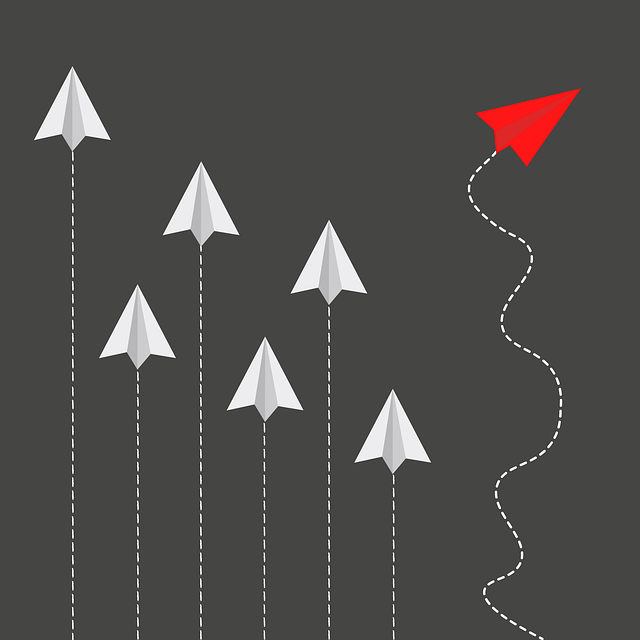
Image illustrating the verb Getting Ahead

Image uploaded to Pixabay by Counselling

.

Definition

To get ahead is a phrasal verb that means to make progress, achieve success, or advance to a better or more advantageous position in life, one's career, or a specific endeavor. It often implies surpassing competitors, gaining a higher status, earning more money, or improving one's overall circumstances, typically through hard work, ambition, skill, and strategic effort. This advancement can be professional (e.g., a promotion), financial (e.g., increasing wealth), academic (e.g., excelling in studies), or personal (e.g., overcoming obstacles to improve one's well-being). The phrase inherently suggests a drive for upward mobility and a desire for a more prosperous or successful future.

Examples

No.Example
1She worked tirelessly for years, determined to get ahead in the competitive tech industry.
2If you want to get ahead in your career, continuous learning and networking are crucial.
3Many young professionals feel immense pressure to get ahead financially as early as possible.
4He always takes initiative, believing it's the only way to get ahead at the company.
5Despite facing numerous obstacles, her resilience helped her to eventually get ahead.
6Students who read widely and study diligently often get ahead academically.
7In the ruthless world of corporate finance, only the most ambitious manage to get ahead.
8The mentor advised his protégé on the best strategies to get ahead professionally.
9Some people believe that to truly get ahead, you sometimes have to take calculated risks.
10With a strong work ethic and a clear vision, anyone can get ahead in their chosen field.