129 posts tagged with "business"

View All Tags

Phrasal Verb - Cutting Down

· 2 min read
Raymundo CH

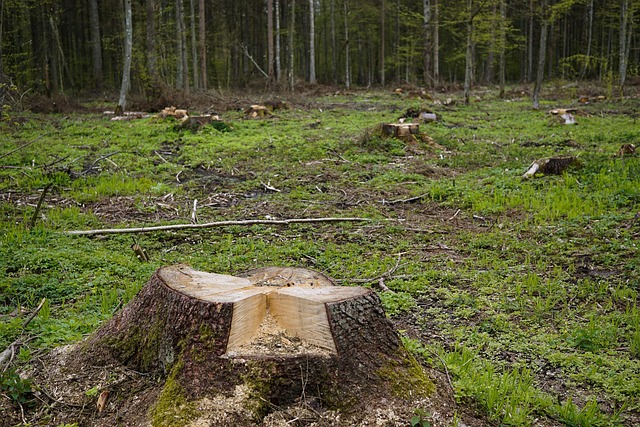
Image illustrating the verb Cutting Down

Image uploaded to Pixabay by summa

.

Definition

To reduce the size, quantity, or extent of something, typically in a way that is deliberate and often drastic. This can involve changing the structure, reducing the number of options, or removing parts that are no longer needed. Cutting down on something can be a way of being more efficient, saving resources, or simplifying a process.

Examples

No.Example
1The company cut down on overtime payments to reduce labor costs.
2She decided to cut down on her social media usage to focus on her studies.
3The government is cutting down on subsidies to farmers to encourage them to adopt more efficient farming methods.
4He tried to cut down on his sugar intake to lose weight.
5The environmental group is pushing for the government to cut down on deforestation.
6The new policy aims to cut down on bureaucratic red tape to speed up approvals.
7He cut down on his lavish spending habits after he lost his job.
8The school is cutting down on recreational activities to focus on academic achievement.
9The entrepreneur cut down on her team to reduce overhead costs during the economic crisis.
10The health expert advises people to cut down on salt intake to prevent high blood pressure.

Phrasal Verb - Dashing Off

· 2 min read
Raymundo CH

Image illustrating the verb Dashing Off

Image uploaded to Pixabay by Vesterholm

.

Definition

To suddenly or hastily dismiss or remove something, often in a rude or abrupt manner. This phrasal verb can also imply the act of swiftly or hastily jotting down something, often in a collaborative or communicative setting.

Examples

No.Example
1Can you please dash off a letter to the editor.
2Their teacher asked them to dash off an essay on the given topic.
3He initially planned to write a novel, but then had to dash off due to unexpected obligations.
4The artist was instructed to dash off the final touches on the painting.
5It's your turn to dash off a line of dialogue for this improv comedy sketch.
6The government had to dash off their plan to meet this upcoming financial deadline.
7You're on the clock, so dash off the report right now!
8She received a text from her boss asking her to dash off to the office at once.
9The relay team had to dash off in a sprint to reach the finish line on time.
10To dash off an effective business proposal that the investors would be interested in.

Phrasal Verb - dealing in

· 2 min read
Raymundo CH

Image illustrating the verb dealing in

Image uploaded to Pixabay by Honest_Graphic

.

Definition

Dealing in something refers to engaging in a business or activity that involves buying, selling, trading, or exchanging that particular thing. It can also imply being competent or skilled in a particular field or activity.

Examples

No.Example
1She has been dealing in antiques for over 10 years.
2The company deals in solar panels and renewable energy systems.
3He has made a fortune dealing in art on the black market.
4The city is dealing in sustainable technologies to reduce carbon footprints.
5She has a knack for dealing in stocks and shares.
6The team deals in advanced cybersecurity solutions.
7The market deals in rare and unique collectibles.
8They have started a business dealing in organic produce.
9The company specializes in dealing in construction equipment.
10The investor deals in real estate and infrastructure projects.

Phrasal Verb - Dealing with

· 2 min read
Raymundo CH

Image illustrating the verb Dealing with

Image uploaded to Pixabay by Ralphs_Fotos

.

Definition

The phrasal verb 'dealing with' is used to mean handling or managing something or someone in a particular situation, often requiring care, skill, or strategy. It can also imply resolving issues, difficulties, or problems. This phrasal verb often involves active participation, decision-making, or taking action to influence the outcome.

Examples

No.Example
1I'm having trouble with my economics project, and I'm dealing with it by seeking help from my teacher.
2She's dealing with the aftermath of the natural disaster by coordinating relief efforts.
3He's been dealing with the hostile crowd patiently, trying to maintain peace during the protest.
4The new policy is designed to help farmers deal with climate change by providing financial support.
5The company is dealing with the lawsuit by hiring a team of lawyers to represent them.
6The social worker is dealing with the troubled youth by providing counseling and support.
7We're dealing with the budget constraints by cutting unnecessary expenses and finding alternative solutions.
8The manager is dealing with the conflict between coworkers by meeting with both parties separately.
9The doctor is dealing with the critically ill patient by administering medication and performing surgery.
10The fire department is dealing with the emergency by sending a team of firefighters to the scene.

Phrasal Verb - Doing Away With

· 2 min read
Raymundo CH

Image illustrating the verb Doing Away With

Image uploaded to Pixabay by Prettysleepy

.

Definition

To do away with something means to completely eliminate, get rid of, or abolish it. This phrasal verb can be used to indicate that something is no longer needed, used, or wanted, and is often used in formal or official contexts. For example, a company might do away with a particular policy or procedure, or a government might do away with a outdated law.

Examples

No.Example
1The company decided to do away with its outdated software.
2The government is planning to do away with the old public transportation system.
3The hotel staff was tasked with doing away with the trash from the large party.
4The new manager decided to do away with the company's 'casual Friday' policy.
5The school will do away with the detention system starting next semester.
6The government will do away with the tax on foreign imports.
7The company is doing away with its physical stores and moving to an online-only model.
8The city is planning to do away with the old highway and replace it with a new, traffic-friendly road.
9The store owner decided to do away with the expensive security service.
10The new policy will do away with the lengthy approval process for new employees.

Phrasal Verb - Do Over

· 2 min read
Raymundo CH

Image illustrating the verb Do Over

Image uploaded to Pixabay by Sunriseforever

.

Definition

To redo or repeat an action or task that has been previously attempted or completed, often because it was unsuccessful or not satisfactory. This phrase is often used in a learning or improvement context, where the goal is to get it right the second (or third, etc.) time around.

Examples

No.Example
1I need to do over the presentation to the staff meeting because I think I missed some important points.
2I'm going to do over myUniversity essay because I'm not happy with the grade I got.
3Can we do over the game because we want to try a different strategy?
4I have to do over the math test because I didn't study enough.
5Let's do over the experiment in science class because we didn't get the results we expected.
6I want to do over the audition because I didn't feel confident in my performance.
7We need to do over the budget because we underestimated the costs.
8I'm going to do over the website because it's not user-friendly.
9Can we do over the debate because we want to learn how to argue more effectively?
10I need to do over my time management skills because I always seem to be running out of time.

Phrasal Verb - Drawing Back

· 2 min read
Raymundo CH

Image illustrating the verb Drawing Back

Image uploaded to Pixabay by Darkmoon_Art

.

Definition

To withdraw or pull away from something that has been started or offered, often due to hesitation, fear, or resistance. It can also refer to moving backward in a physical sense, such as stepping back from an argument or a difficult situation.

Examples

No.Example
1After seeing the expensive bill, she started to draw back from ordering the meal.
2The company drew back from releasing the new product due to unexpected production costs.
3He began to draw back from his commitment to attend the conference.
4The teacher asked the students to draw back from the edge of the pool.
5She felt like drawing back from the conversation when she realized they shared no common interests.
6The soldier drew back from firing his gun, realizing the target was an innocent bystander.
7The government drew back from imposing the new tax, citing public backlash.
8The investor drew back from the deal, citing unexpected risks.
9The driver drew back from the intersection, avoiding the accident.
10The student drew back from the argument, realizing they wouldn't win.

Phrasal Verb - Dreaming Up

· 2 min read
Raymundo CH

Image illustrating the verb Dreaming Up

Image uploaded to Pixabay by kundennote_com

.

Definition

To deploy resources or identify a solution in an imaginative and resourceful manner, inventing plausible answers or deliverables to fulfill a challenging task or solve a thought-provoking problem.

Examples

No.Example
1She dreamed up a marketing strategy to reach new customers.
2The architect dreamed up an innovative plan to reuse the old building.
3He dreamed up a new idea for reducing plastic waste.
4The team dreamed up a solution to the complex algorithm problem.
5She dreamed up a dinner party theme that her guests loved.
6The entrepreneurs dreamed up an eco-friendly startup.
7He dreamed up a creative way to fund his education.
8The manager dreamed up a team-building exercise to boost morale.
9The developers dreamed up a new gaming feature to compete with industry giants.
10The team dreamed up a study abroad program to promote cultural exchange.

Phrasal Verb - ease into

· 2 min read
Raymundo CH

Image illustrating the verb ease into

Image uploaded to Pixabay by Alexas_Fotos

.

Definition

To start doing something gradually, either because it is difficult or because it is likely to be challenging. It refers to the action of getting used to a new situation, skill, or environment

Examples

No.Example
1She tried to ease into her new role by attending meetings and learning about the company's policies.
2He struggled to ease into the new diet, but eventually found it manageable after a few weeks.
3The team leader attempted to ease into the new project by breaking it down into smaller tasks.
4To ease into retirement, he started taking classes and pursuing hobbies he had never had time for.
5The weightlifter tried to ease into her pre-competition training routine to avoid getting overtaxed.
6It took her a while to ease into the new apartment, but she eventually settled in nicely.
7The teacher taught the students to ease into mathematics by starting with simple algebra.
8He tried to ease into his new schedule by sleeping in and going to bed at a reasonable hour.
9She found it was easier to ease into her new job after working as an intern for a few months.
10The coach needed time to ease into the mindset of preparing for the wrestling championships.

Phrasal Verb - Eating Into

· 2 min read
Raymundo CH

Image illustrating the verb Eating Into

Image uploaded to Pixabay by Scofield38

.

Definition

A phrasal verb used to describe the action of consuming or using up something, typically in a way that is excessive or unfair. It can also imply the idea of taking something away from someone or something, often in a negative or detrimental manner.

Examples

No.Example
1The company has been eating into the profits of the local restaurant.
2The new policy is eating into the staff's work-life balance.
3The fraudster was eating into the bank's funds by making unauthorized withdrawals.
4The traffic was eating into my morning commute, making me late for work.
5The competitor was eating into our market share with their new product.
6The disease was eating into the countryside, affecting the crops and livestock.
7The energy company was eating into the profits of the renewable energy sector.
8The rival team was eating into our lead with their comeback victory.
9The private equity firm was eating into the public company's assets.
10The environmental group is working to prevent logging from eating into the old-growth forest.