16 posts tagged with "emotions"

View All Tags

Phrasal Verb - Holding In

· 2 min read

Raymundo CH

Image illustrating the verb Holding In

Image uploaded to Pixabay by Alexas_Fotos

.

Definition

The phrasal verb 'hold in' means to keep back or prevent oneself from expressing or doing something, often due to social constraints or politeness. It can also refer to physically containing or restraining something.

Examples

No.Example
1I had to hold in my laughter during the funeral.
2The coach told the players to hold in their emotions and focus on the game.
3She could feel the anger building up inside her, but she held it in.
4I accidentally held in my farts during the interview and it was quite uncomfortable.
5The teacher asked the students to hold in their questions until the end of the lesson.
6He held in his tears as he listened to the sad song.
7The baby was crying but its mother managed to hold it in until they reached the car.
8The hostage negotiator asked the terrorist to hold in his demands for a few hours.
9The police officer held in the suspect until backup arrived.
10The athlete held in his breath during the race to conserve energy.

Phrasal Verb - keeping back

· 2 min read
Raymundo CH

Image illustrating the verb keeping back

Image uploaded to Pixabay by distelAPPArath

.

Definition

  1. To prevent someone or something from going or moving forward or continuing. 2. To withhold or retain something, especially money or information. 3. To save or set aside for future use.

Examples

No.Example
1He kept back the crowd from entering the room.
2The teacher kept back the student for after-school detention.
3She kept back a portion of her salary for savings.
4The president kept back the announcement until the last minute.
5He kept back the letter until he had time to read it carefully.
6The company kept back some profits for investment.
7She kept back her emotions during the interview.
8The police kept back the protesters from marching on the building.
9He kept back a seat for his mother at the concert.
10The coach kept back the best player for the decisive match

Phrasal Verb - Keeping Down

· 2 min read
Raymundo CH

Image illustrating the verb Keeping Down

Image uploaded to Pixabay by congerdesign

.

Definition

To prevent someone or something from getting worse or causing trouble, or to maintain a situation or level. This phrasal verb can be used both transitively and intransitively, and can have various meanings depending on the context.

Examples

No.Example
1The teacher kept the class down after they misbehaved.
2He kept his emotions down during the interview.
3The government is trying to keep inflation down.
4She kept the noise down so her baby could sleep.
5The coach kept the team morale down with his harsh criticisms.
6He kept his cool and kept the situation from getting out of hand.
7The manager kept the project on schedule and kept costs down.
8She kept the secret down for years before finally revealing it.
9They kept the news of the merger down until it was official.
10He kept the ball down and played it to his teammate.

Phrasal Verb - keeping off

· 2 min read
Raymundo CH

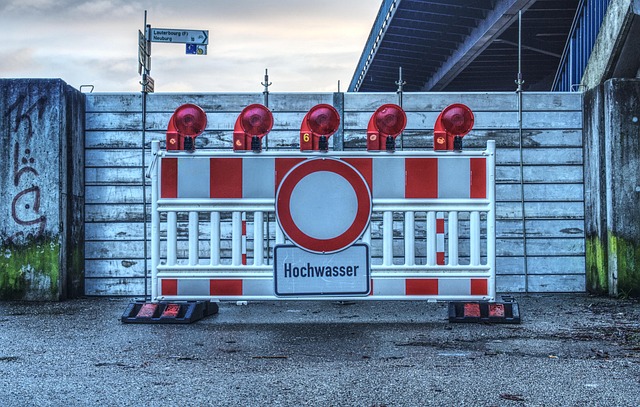
Image illustrating the verb keeping off

Image uploaded to Pixabay by SpencerWing

.

Definition

  1. Preventing someone or something from coming into contact or reaching a particular place, usually by maintaining a distance or providing a barrier.
  2. Preventing an event or situation from happening by taking action or making an effort.

Examples

No.Example
1She kept the children off the grass to prevent them from getting muddy.
2The security guard kept intruders off the property by patrolling the perimeter.
3He kept his emotions off during the interview to appear calm and collected.
4The sunscreen keeps the sun's rays off your skin to prevent sunburn.
5The teacher kept the class quiet to keep the distractions off during the test.
6She kept the car off the road after an accident to prevent further damage.
7He kept negative thoughts off his mind to focus on the positive.
8The police kept rioters off the streets during the protests.
9They kept their distance from each other to keep tensions off.
10The team kept their opponents off the scoreboard to win the game.

Phrasal Verb - Letting Go

· 2 min read
Raymundo CH

Image illustrating the verb Letting Go

Image uploaded to Pixabay by geralt

.

Definition

The phrasal verb 'let go' can have several meanings: 1. To release or allow someone or something to leave or go, often implying giving up control or responsibility. 2. To stop doing something, such as a job or a habit. 3. To forgive or pardon someone. 4. To allow a balloon or a kite to be carried away by the wind. 5. To abandon or neglect a project or responsibility. 6. In the context of sailing, to release the sails from the mast so that they billow in the wind.

Examples

No.Example
1My boss finally let me go after I finished my project.
2I decided it was time to let go of my anger towards him.
3The company had to let go of several employees due to budget cuts.
4She let go of the balloon and watched it float up into the sky.
5I'm sorry, I just can't let go of this mistake.
6The sailor let go of the sail and the wind filled it with air.
7He let go of the rope and the raft drifted away.
8The team let go of their fears and played with confidence in the final match.
9After years of neglect, the city finally let go of the abandoned building.
10I'll let go of the ropes when you're ready to jump.

Phrasal Verb - letting off

· 2 min read
Raymundo CH

Image illustrating the verb letting off

Image uploaded to Pixabay by Pezibear

.

Definition

  1. To allow someone to go or leave, especially after detaining them or keeping them waiting. 2. To release something, especially a gas or steam, suddenly and in a large quantity. 3. To excuse or pardon someone for a mistake or misbehavior. 4. To express emotions, especially anger, by using strong language or actions. 5. To relax and enjoy oneself, often after a period of hard work or stress.

Examples

No.Example
1The police let off the driver with a warning after finding him speeding.
2The factory let off a large plume of smoke into the sky.
3My boss let me off early because I had a doctor's appointment.
4After the argument, John let off some steam by hitting a punching bag.
5The students let off balloons to celebrate their graduation.
6The teacher let the class off for recess.
7The fireworks let off a loud bang, startling the crowd.
8The prisoners were let off on parole after serving their sentences.
9The dog let off a foul odor when it farted.
10After a long day at work, I let myself off and watched a movie.