9 posts tagged with "Security"

View All Tags

Phrasal Verb - Scouting Out

· 2 min read
Raymundo CH

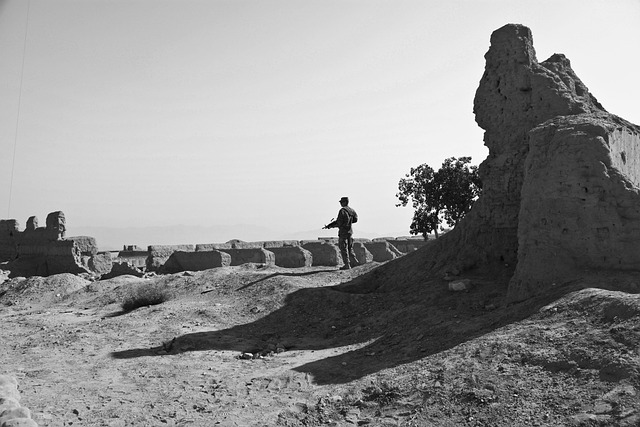
Image illustrating the verb Scouting Out

Image uploaded to Pixabay by ArmyAmber

.

Definition

To carefully search for or look for something or someone, often in a discreet or thorough manner, sometimes implying the discovery of hidden or hard-to-find information or opportunities.

Examples

No.Example
1The detective spent hours scouting out the criminal's hideout.
2Before making an offer on a house, it's wise to scout out the neighborhood first.
3The explorers spent weeks scouting out the uncharted territory.
4The recruiters scout out potential employees at job fairs and colleges.
5The hunters spent days scouting out the best hunting spots.
6The real estate agent suggested scouting out the area during different seasons.
7The security team was tasked with scouting out the building for any vulnerabilities.
8The journalists often scout out sources and information for their stories.
9The hikers scouted out the trail before starting their journey.
10The scientists spent years scouting out new discoveries in their field.

Phrasal Verb - sealing off

· 2 min read
Raymundo CH

Image illustrating the verb sealing off

Image uploaded to Pixabay by Wildfaces

.

Definition

Sealing off is a phrasal verb that means to close or block an entrance or exit, usually to prevent something from entering or escaping, often used in emergency situations or to contain a hazardous material.

This phrasal verb can also be used figuratively to refer to isolating oneself from the outside world or cutting off communication with others.

Examples

No.Example
1The authorities sealed off the area around the chemical plant to prevent the spreading of the toxic gas.
2After the power outage, they sealed off the house to keep the cold out.
3The coast guard sealed off the harbor to prevent illegal immigration.
4The fire department sealed off the burning building to prevent the fire from spreading.
5The company sealed off its plant to prevent competitors from stealing its technology.
6The government sealed off its borders to prevent the spread of the disease.
7He sealed himself off from the world after the loss of his loved one.
8The president sealed off the budget negotiations to prevent any compromises.
9The team sealed off their training camp to focus on the upcoming game.
10She sealed off her emotions to deal with the painful situation.

Phrasal Verb - shutting in

· 2 min read
Raymundo CH

Image illustrating the verb shutting in

Image uploaded to Pixabay by Fanette

.

Definition

  1. To be confined or trapped inside a building or a room due to external circumstances such as a power outage, storm, or emergency. 2. To isolate or enclose a place, often metaphorically, to protect or prevent access. 3. In the context of oil and gas production, to prevent the flow of gas or oil from a well by closing the valves or the wellhead.

Examples

No.Example
1During the severe thunderstorm, the whole neighborhood was shut in for hours.
2The authorities shut in the rioters in the park to prevent further damage.
3The family was shut in their house due to the snowstorm.
4The city was shut in by the military to contain the spread of the disease.
5The oil well was shut in to prevent further gas leakage.
6The company decided to shut in its production during the market downturn.
7The workers were shut in the mine until the rescue team arrived.
8The police shut in the suspect's house to question him.
9The refugees were shut in the camp, with no way out.
10The CEO shut in the boardroom to discuss the merger with the rival company.

Phrasal Verb - signing in

· 2 min read
Raymundo CH

Image illustrating the verb signing in

Image uploaded to Pixabay by geralt

.

Definition

The action of providing identification information, usually a username and password, to gain access to a system, website, or online service.

Examples

No.Example
1I forgot my password, can you help me sign in to my email account?
2Before using the computer lab, students must sign in with their student ID.
3The website requires users to sign in before they can access their personal information.
4Please sign in to your account to manage your subscription settings.
5Signing in to the company's network is mandatory for all employees.
6I'll sign in to my Facebook account and see if I have any new messages.
7The online banking system requires two-factor authentication for signing in.
8When signing in to a new device, you may be asked to verify your identity.
9The authentication process for signing in includes a security question and a CAPTCHA.
10Signing in to the virtual meeting platform allows participants to join the session.

Phrasal Verb - keeping off

· 2 min read
Raymundo CH

Image illustrating the verb keeping off

Image uploaded to Pixabay by SpencerWing

.

Definition

  1. Preventing someone or something from coming into contact or reaching a particular place, usually by maintaining a distance or providing a barrier.
  2. Preventing an event or situation from happening by taking action or making an effort.

Examples

No.Example
1She kept the children off the grass to prevent them from getting muddy.
2The security guard kept intruders off the property by patrolling the perimeter.
3He kept his emotions off during the interview to appear calm and collected.
4The sunscreen keeps the sun's rays off your skin to prevent sunburn.
5The teacher kept the class quiet to keep the distractions off during the test.
6She kept the car off the road after an accident to prevent further damage.
7He kept negative thoughts off his mind to focus on the positive.
8The police kept rioters off the streets during the protests.
9They kept their distance from each other to keep tensions off.
10The team kept their opponents off the scoreboard to win the game.

Phrasal Verb - keeping out

· 2 min read
Raymundo CH

Image illustrating the verb keeping out

Image uploaded to Pixabay by royharryman

.

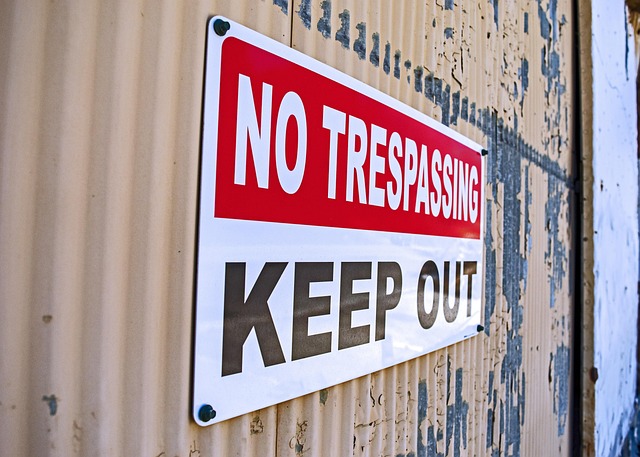
Definition

  1. Preventing someone or something from entering or continuing in a place or situation.
  2. Preventing an unwanted situation or experience from happening.

Examples

No.Example
1The bouncer kept out the rowdy crowd from entering the club.
2John kept out the cold by wearing a thick coat.
3Mary kept out the noise by using earplugs.
4The police kept out the rioters from the city center.
5Sarah kept out the rain by staying under the umbrella.
6The teacher kept out disruptive students from the class.
7Tom kept out the competition by setting a high price for his goods.
8The firewall keeps out viruses and malware from your computer.
9The fence keeps out stray animals from the garden.
10The sunscreen keeps out harmful UV rays from your skin.

Phrasal Verb - logging in

· 2 min read
Raymundo CH

Image illustrating the verb logging in

Image uploaded to Pixabay by geralt

.

Definition

The action of entering user credentials (such as a username and password) into a system or website in order to access it. This can be done on various devices, such as computers, smartphones, or tablets.

Examples

No.Example
1I need to log in to my email account to check for new messages.
2Before accessing the database, all users must log in with their credentials.
3Can you help me log in to my Facebook account? I forgot my password.
4Logging in to the company's network requires a multi-factor authentication process.
5The website allows users to log in with their Google or Facebook account.
6The system will automatically log you in if you check the 'remember me' box.
7The user was logged in to the system for over 3 hours before being detected as inactive.
8I can't log in to the website because my account has been suspended.
9Logging in to the server requires a valid SSH key.
10The company policy requires employees to log in to their workstations every morning.

Phrasal Verb - logging off

· 2 min read
Raymundo CH

Image illustrating the verb logging off

Image uploaded to Pixabay by Clker-Free-Vector-Images

.

Definition

The action of signing out or disconnecting from a computer system, network, or application. This can be done intentionally by the user or automatically after a period of inactivity.

Examples

No.Example
1After finishing her work, she logged off her computer.
2The system will automatically log off users after 30 minutes of inactivity.
3Logging off is an important security measure to protect your account.
4Can you please log off once you're done with the presentation?
5The IT department requires all employees to log off their computers before leaving the office.
6He forgot to log off and left confidential documents open on his computer.
7Logging off is also known as signing out or disconnecting.
8Logging off a server may cause temporary downtime for users.
9Logging off a social media account can help reduce distractions.
10Logging off your email account can help prevent unauthorized access.

Phrasal Verb - logging on

· 2 min read
Raymundo CH

Image illustrating the verb logging on

Image uploaded to Pixabay by timmossholder

.

Definition

The action of starting a computer or accessing an online service by entering a username and password or other login credentials. This can also refer to the process of activating or starting a system, program, or feature. Logging on is typically the first step in using a computer or online service.

Examples

No.Example
1Before starting work, I always log on to my computer to ensure that all my files are up-to-date.
2The system requires users to log on with their unique username and password.
3I couldn't log on to my email account because my password had been changed.
4The IT department reminded employees to log on to the VPN before accessing company data from home.
5To log on to the server, you need to enter your domain name and the name of your user account.
6After logging on to the website, users can create a new account or sign in to an existing one.
7The software prompts you to log on when it starts up.
8The system administrator logs on to the server to perform maintenance tasks.
9Logging on to the Wi-Fi network is quick and easy.
10Logging on to the secure network requires a smart card and a PIN.