4 posts tagged with "family gatherings"

View All Tags

Phrasal Verb - making fun of
· 2 min read
Raymundo CH

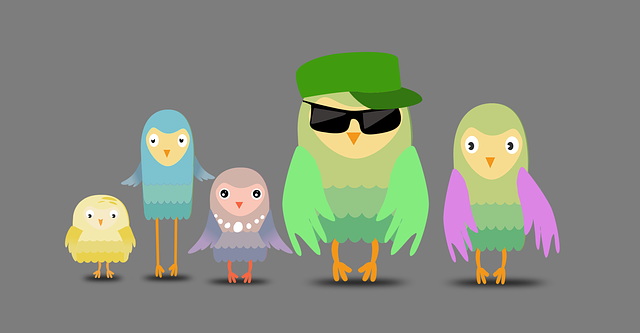
Image illustrating the verb making fun of

Image uploaded to Pixabay by schuetz-mediendesign

.

Definition

To make fun of someone or something means to tease, mock, or ridicule them, often by imitating their actions, words, appearance, or characteristics in a humorous or derogatory way. It can range from light-hearted playful banter among friends, intended to amuse without malice, to harsh, unkind, or bullying behavior meant to belittle, embarrass, or hurt another person. When done maliciously, it often highlights a person's perceived flaws, mistakes, or unique traits to elicit laughter from an audience at the expense of the person being targeted. The intent behind 'making fun of' is crucial; it can be a form of social bonding or a tool for social exclusion and emotional harm, making it important to consider context and impact.

Examples

No.Example
1It's not kind to make fun of someone's appearance; everyone deserves respect.
2The students used to make fun of the new teacher's quirky habits, but they grew to like him.
3During the party, he started to make fun of his friend's dance moves, much to everyone's amusement.
4Please don't make fun of my attempts to learn a new language; I'm trying my best.
5The comedian made fun of current political events, drawing huge laughs from the audience.
6She felt hurt when her siblings began to make fun of her old-fashioned clothes.
7It's important to teach children not to make fun of others who are different from them.
8He apologized for making fun of his colleague's accent, realizing it was inappropriate.
9They would often make fun of each other's favorite sports teams in a friendly rivalry.
10If you constantly make fun of people, don't be surprised if they start to avoid you.

Phrasal Verb - Drop In On

· 2 min read
Raymundo CH

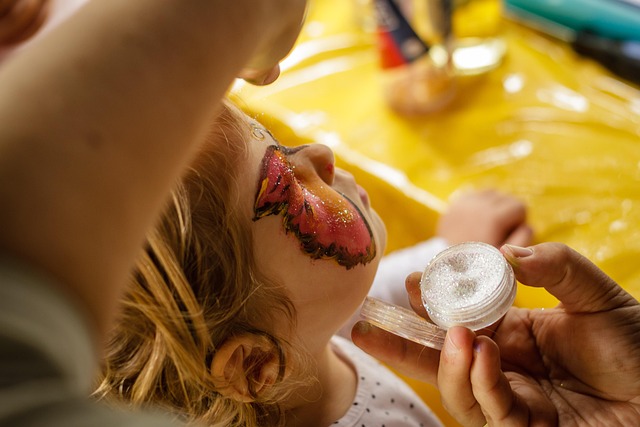
Image illustrating the verb Drop In On

Image uploaded to Pixabay by AnneBourbeau

.

Definition

To unexpectedly visit or arrive at a person's home, usually unannounced, often at inconvenient times.

Examples

No.Example
1She dropped in on her sister during her lunch break and surprised her.
2He dropped in on his friend's birthday party without being invited.
3She always drops in on her neighbors when she needs help.
4He dropped in on his sister's house to borrow some money.
5They dropped in on their family during the holidays.
6She often drops in on her coworkers when she needs a favor.
7He dropped in on his friend's place to watch the game.
8She usually drops in on her mom when she needs advice.
9He dropped in on his brother's house to pick up something.
10They dropped in on their friends' house for a surprise dinner.

Phrasal Verb - Getting along with

· 2 min read
Raymundo CH

Image illustrating the verb Getting along with

Image uploaded to Pixabay by RiaKartika

.

Definition

To 'get along with' someone means to have a friendly, harmonious, and cooperative relationship with them. It implies mutual understanding, respect, and compatibility, leading to pleasant interactions and a lack of significant conflict or disagreement. When people get along, they typically enjoy each other's company, tolerate differences, and can work or live together without constant friction. This phrasal verb often describes the ease or difficulty with which individuals interact socially or professionally, indicating the quality of their interpersonal connection and the presence or absence of mutual rapport.

Examples

No.Example
1It's essential for team members to get along with each other to ensure smooth project execution.
2Despite their different political views, my aunt and uncle always manage to get along with a smile at family dinners.
3She finds it challenging to get along with people who are constantly complaining or negative.
4Our new puppy seems to get along with the older cat, which is a huge relief.
5Do you think you could ever get along with someone who has a completely opposite lifestyle to yours?
6He's very sociable and always tries to get along with everyone he meets, regardless of their background.
7The children in the kindergarten class quickly learned to get along with their new classmates and share toys.
8I'm not sure how well the two departments will get along with each other after the recent merger.
9For a peaceful coexistence, neighbors often need to make an effort to get along with one another.
10A good leader needs to be skilled at getting along with diverse personalities and mediating conflicts.

Phrasal Verb - Getting Together

· 2 min read
Raymundo CH

Image illustrating the verb Getting Together

Image uploaded to Pixabay by fantaghiro81

.

Definition

The phrasal verb 'get together' primarily means to meet, gather, or assemble, often socially and informally, with other people. It implies a coming together of individuals or groups, usually known to each other, to spend time, socialize, discuss something, or work on a common activity. It can refer to planned meetings or spontaneous gatherings. In a less common, more informal context, it can also refer to two people starting a romantic relationship or becoming a couple. The core meaning revolves around people convening for interaction or a shared purpose.

Examples

No.Example
1Let's get together for coffee sometime next week to catch up.
2The entire family gets together every Thanksgiving to celebrate.
3After work, my friends and I usually get together for a quick drink.
4I heard that Sarah and Tom are finally getting together; they've liked each other for ages.
5The team needs to get together to brainstorm ideas for the new project.
6We got together last night and ordered pizza, it was a relaxed evening.
7Are you getting together with your old college roommates this weekend?
8It's always nice when the neighbors get together for a potluck in the park.
9They managed to get a small group together to volunteer at the animal shelter.
10The band members get together every Tuesday for rehearsal.