Phrasal Verb - Fooling Around
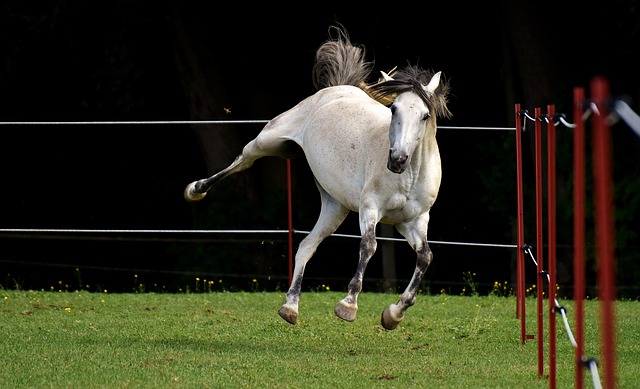
Image uploaded to Pixabay by Alexas_Fotos
.Definition
The phrasal verb "fool around" is highly versatile and carries several distinct meanings, often implying a lack of seriousness, responsibility, or focus, depending on the context:
-
To behave in a silly, playful, or mischievous way: This is perhaps its most common and innocent usage, often describing lighthearted antics, horseplay, or generally not taking things seriously. It can apply to children at play or adults engaging in humorous or frivolous activities. Example: "The children were fooling around in the park, chasing each other and laughing."
-
To waste time or procrastinate: In this context, it means to spend time idly, doing trivial or unproductive activities instead of focusing on tasks that require attention or effort. It implies a lack of discipline or an unwillingness to engage in serious work. Example: "Stop fooling around on your phone and finish your homework!"
-
To play with something carelessly or experimentally: This meaning refers to handling an object without proper care, often in a risky or playful manner, or to trying out an idea, skill, or device without deep commitment or serious intent, often just for fun or to see what happens. Example: "Don't fool around with that sharp knife; you might cut yourself."
-
To be unfaithful in a romantic relationship: This is a more serious, informal, and often negative connotation, meaning to engage in casual sexual encounters or flirtatious behavior outside of an established, committed relationship, implying infidelity or cheating. Example: "Her husband had been fooling around with someone else, which led to their divorce."
-
To dabble or experiment without serious commitment: Similar to point 3, but often referring to hobbies, projects, or creative endeavors. It suggests trying something out for a short period without the intention of becoming an expert or making it a major part of one's life. *Example: "He spent a few months fooling around with pottery, but never really got serious about it."
Examples
| No. | Example |
|---|---|
| 1 | The kids were fooling around in the classroom instead of listening to the teacher. |
| 2 | Stop fooling around with those tools; you're going to break something valuable. |
| 3 | If you keep fooling around, you'll never finish your project on time. |
| 4 | She suspected her boyfriend was fooling around when he started coming home late. |
| 5 | We were just fooling around with some old cameras, trying to see if they still worked. |
| 6 | After a long day, sometimes all you want to do is fool around and relax. |
| 7 | My boss warned me not to fool around on company time if I wanted to keep my job. |
| 8 | The band started out just fooling around in a garage, never expecting to become famous. |
| 9 | Don't fool around with dangerous chemicals without proper supervision. |
| 10 | They spent the afternoon fooling around by the river, skipping stones and talking. |