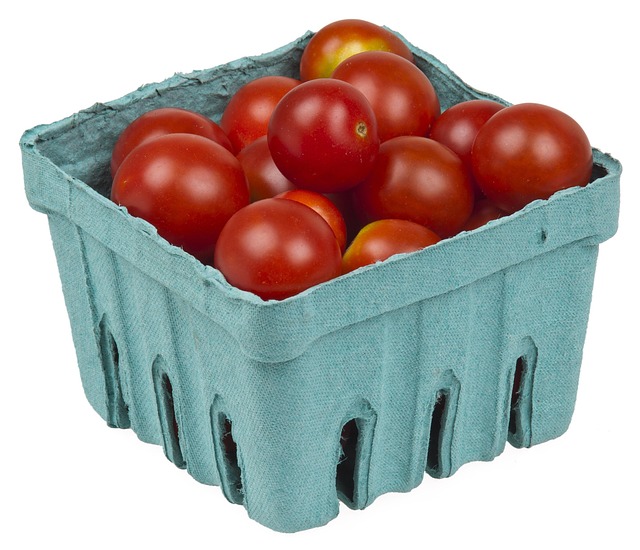
Phrasal Verb - Dropping Off

· 2 min read

Raymundo CH

Image illustrating the verb Dropping Off

Image uploaded to Pixabay by Myriams-Fotos

.

Definition

To drop off is a phrasal verb that means to leave someone or something somewhere. This involves physically transporting something to a location and then leaving it there. The person or item is 'dropped off' by the person who brought them, and they are not necessarily taking them any further. This verb is commonly used in situations such as dropping someone off at school or leaving a package at a post office.

Examples

No.Example
1I will drop you off at your place after work.
2Please drop these packages off at the store by 5 pm.
3Can you drop my sister off at the airport tomorrow morning?
4The delivery company dropped the parcel off at my door this morning.
5I dropped my brother off at school an hour ago.
6You need to drop the forms off at the authorities before the deadline.
7The doctor dropped the baby off at the hospital after her birth.
8If you're heading to Paris, I can drop you off at the airport.
9They dropped the fresh produce off at the market early this morning.
10I dropped my roommate off at her new apartment yesterday.

Phrasal Verb - Dropping Out

· 2 min read
Raymundo CH

Image illustrating the verb Dropping Out

Image uploaded to Pixabay by Carlos_Ramón_Bonilla

.

Definition

To stop attending or participating in something, especially because it becomes too difficult or because something more enjoyable is found.

Examples

No.Example
1She dropped out of law school after struggling with the coursework.
2He dropped out of the competition because his fellow competitors were too skilled.
3After a year, Sarah dropped out of college to travel the world.
4The student dropped out of the math olympiad due to fear of failure.
5He dropped out of the music program because he lost interest.
6The new employee dropped out of the big project because she felt overwhelmed.
7The high school student dropped out of sports to focus on academics.
8The company dropped out of the deal because the terms were unfavorable.
9She dropped out of the advanced math class due to the level of difficulty.
10He dropped out of college after his trust was misplaced by a friend.

Phrasal Verb - Drumming Up

· 2 min read
Raymundo CH

Image illustrating the verb Drumming Up

Image uploaded to Pixabay by ClickerHappy

.

Definition

To drum up something or someone means to try to make people think positively about it, often by using clever marketing or persuasion. It can also involve creating an event or activity in preparation for something, like a meeting or event. In general, it's about generating enthusiasm, excitement, or interest in something.

Examples

No.Example
1The company hopes to drum up more business by hosting a big sale next week.
2The politician is trying to drum up support for her new policy.
3The band is drumming up excitement for their upcoming concert tour.
4The charity is working to drum up donations for the disaster relief effort.
5The school is trying to drum up interest in their music program by offering a free concert.
6The marketing team is tasked with drumming up buzz around the new product.
7The event planner is trying to drum up attendance for the conference by offering discounts to early registrants.
8The politician is trying to drum up votes by promising free education.
9The business owner is trying to drum up new customers by offering a loyalty program.
10The festival organizers are working to drum up enthusiasm for the upcoming event by sharing updates on social media.

Phrasal Verb - Drying Up

· 2 min read
Raymundo CH

Image illustrating the verb Drying Up

Image uploaded to Pixabay by Nennieinszweidrei

.

Definition

The phrasal verb 'dry up' is a conative verb meaning to suddenly stop talking or speaking, especially because of nervousness or fear. It is often used in informal settings, and it is often associated with children who become suddenly silent or stop speaking in a social setting due to intimidation or stress.

Examples

No.Example
1The child suddenly dried up and stopped speaking when their mom's friend walked into the room.
2She dried up when asked to recite her poem in front of the whole class.
3He dried up when the teacher asked him to give a presentation in front of the entire school.
4As soon as she saw her ex-boyfriend at the party, she dried up and couldn't speak a word.
5When confronted by the police, he dried up and stopped talking, citing his right to remain silent.
6The volunteer shook her head and dried up when asked to help the troubled young girl.
7Mickey Mouse dried up when it was his turn to sing in front of all his friends.
8Mazy's confidence seemed to dry up when she got stuck in traffic to reach her interview on time.
9Bertha dried up when asked about her family history and mishaps.
10Due to uncertainty about the future, Sarah dried up when asked what she wanted for her birthday.

Phrasal Verb - Dwelling on

· 2 min read
Raymundo CH

Image illustrating the verb Dwelling on

Image uploaded to Pixabay by joelfotos

.

Definition

To perseveringly think about or focus on something, often to an excessive degree, sometimes in a way that is obsessive or unhealthy. This can involve reflecting on past experiences or present circumstances, and can sometimes be driven by a desire to understand or make sense of something.

Examples

No.Example
1She has been dwelling on her past mistakes, making it difficult for her to move on.
2His parents are worried that he will dwell on his recent failure and give up on his dreams.
3The counselors encouraged the patients to stop dwelling on their negative thoughts and start thinking positively.
4He began to dwell on the what-ifs and maybes, driving himself crazy with worry.
5She found it hard to stop dwelling on the argument they had yesterday.
6The therapist helped him to break free from dwelling on his troubled childhood.
7Her obsession with the past has started to dwell on her, causing anxiety and stress.
8They need to let go of dwelling on the past and focus on the present moment.
9The group is trying to dwell on the positive aspects of their experience, rather than dwelling on the negative.
10Her tendency to dwell on her weaknesses was holding her back from achieving her goals.

Phrasal Verb - ease into

· 2 min read
Raymundo CH

Image illustrating the verb ease into

Image uploaded to Pixabay by Alexas_Fotos

.

Definition

To start doing something gradually, either because it is difficult or because it is likely to be challenging. It refers to the action of getting used to a new situation, skill, or environment

Examples

No.Example
1She tried to ease into her new role by attending meetings and learning about the company's policies.
2He struggled to ease into the new diet, but eventually found it manageable after a few weeks.
3The team leader attempted to ease into the new project by breaking it down into smaller tasks.
4To ease into retirement, he started taking classes and pursuing hobbies he had never had time for.
5The weightlifter tried to ease into her pre-competition training routine to avoid getting overtaxed.
6It took her a while to ease into the new apartment, but she eventually settled in nicely.
7The teacher taught the students to ease into mathematics by starting with simple algebra.
8He tried to ease into his new schedule by sleeping in and going to bed at a reasonable hour.
9She found it was easier to ease into her new job after working as an intern for a few months.
10The coach needed time to ease into the mindset of preparing for the wrestling championships.

Phrasal Verb - Eating Away At

· 2 min read
Raymundo CH

Image illustrating the verb Eating Away At

Image uploaded to Pixabay by lpegasu

.

Definition

To have a gradually but regularly weakening or destructive effect on something or someone, often in a way that is barely noticeable at first but becomes increasingly significant over time.

Examples

No.Example
1The effects of pollution are slowly eating away at the city's ecosystem.
2Her tiredness was eating away at her energy levels.
3The hole in the roof was eating away at the structural integrity of the house.
4The noise is eating away at my concentration.
5His obsession with wealth was eating away at his relationship with his family.
6The constant criticism was eating away at her self-confidence.
7The rainy weather was eating away at the new roads before they were even completed.
8His concern for the environment was eating away at his desire to continue driving a gas-guzzling car.
9The worry about running out of water was eating away at the community's morale.
10His anger was eating away at this opportunity to connect with his brother.

Phrasal Verb - eating out

· 2 min read
Raymundo CH

Image illustrating the verb eating out

Image uploaded to Pixabay by WikimediaImages

.

Definition

The phrasal verb 'eat in' means to dine or have a meal at home. It often contrasts with 'eat out', which refers to dining or having a meal at a restaurant or other establishment outside one's home.

Examples

No.Example
1We usually eat in because it's more convenient.
2I prefer eating in on weeknights.
3After a long day at work, we like to eat in and relax.
4She started eating in recently, which helped her save money.
5The hotel offers a free breakfast that you can eat in or take out.
6Eating in can be good for the environment.
7My mother loves eating in because she can cook her favorite meal.
8When we travel, we often eat in at our hotel room.
9Eating in can be healthier than ordering takeaway all the time.
10She and her family prefer eating in on Sundays.

Phrasal Verb - Eating Into

· 2 min read
Raymundo CH

Image illustrating the verb Eating Into

Image uploaded to Pixabay by Scofield38

.

Definition

A phrasal verb used to describe the action of consuming or using up something, typically in a way that is excessive or unfair. It can also imply the idea of taking something away from someone or something, often in a negative or detrimental manner.

Examples

No.Example
1The company has been eating into the profits of the local restaurant.
2The new policy is eating into the staff's work-life balance.
3The fraudster was eating into the bank's funds by making unauthorized withdrawals.
4The traffic was eating into my morning commute, making me late for work.
5The competitor was eating into our market share with their new product.
6The disease was eating into the countryside, affecting the crops and livestock.
7The energy company was eating into the profits of the renewable energy sector.
8The rival team was eating into our lead with their comeback victory.
9The private equity firm was eating into the public company's assets.
10The environmental group is working to prevent logging from eating into the old-growth forest.

Phrasal Verb - Eating out

· 2 min read
Raymundo CH

Image illustrating the verb Eating out

Image uploaded to Pixabay by maja7777

.

Definition

The phrasal verb 'eat out' is used to describe the act of eating food at a restaurant or outside one's home. It is often used to distinguish dining in, which refers to eating at home or in a private setting. 'Eating out' can imply a level of formality, cost, or occasion, and is often used in contexts such as going out for a special meal, trying new foods, or meeting others for dinner.

Examples

No.Example
1We're eating out at that new Italian place tonight.
2I love eating out because I can try different cuisines without having to cook.
3The kids are eating out with their grandparents this weekend.
4After the conference, we're eating out at a nearby café.
5My friends and I are eating out at that new sushi restaurant every Friday.
6The couple chose to eat out at a fancy restaurant for their anniversary.
7I hate eating out alone, but sometimes it's necessary.
8Eating out can be a fun way to celebrate a special occasion.
9My family is eating out at a buffet this weekend because we didn't feel like cooking.
10After moving to a new city, we love eating out to try new restaurants.