Phrasal Verb - Getting Away

· 2 min read

Raymundo CH

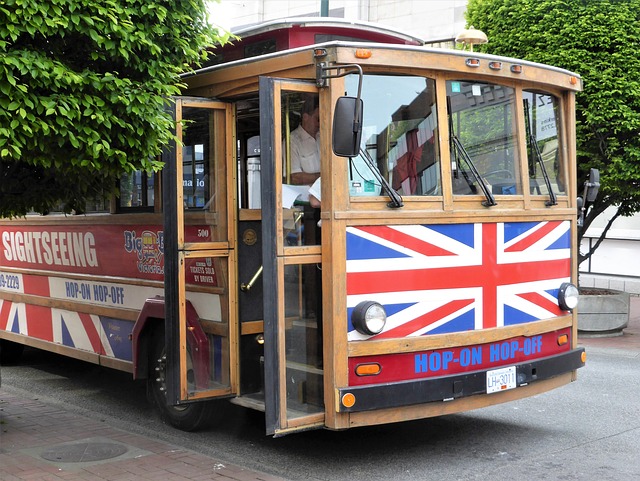
Image illustrating the verb Getting Away

Image uploaded to Pixabay by peteyp8

.

Definition

The phrasal verb 'get away' is multifaceted, primarily meaning to escape or leave a place or situation. It can refer to successfully fleeing from a pursuer, a dangerous situation, or a place of confinement. Another common meaning is to go on a short vacation or a break from one's daily routine, often to relax or seek new experiences. It can also imply avoiding punishment or negative consequences for an action, particularly if one commits a wrongdoing and is not caught or held accountable. Less commonly, it can simply mean to depart from a place or a person, sometimes with difficulty. The context often dictates the precise nuance of 'get away'.

Examples

No.Example
1The prisoners managed to get away under the cover of darkness.
2We're hoping to get away for a long weekend to the mountains next month.
3The clever fox always seems to get away without being caught by the hunters.
4I just need to get away from all the noise and stress of the city for a while.
5She found it hard to get away from the conversation, as her boss kept talking.
6Despite their efforts, the police couldn't prevent the suspect from getting away.
7After working so hard, they deserved to get away to a tropical island.
8He got away with a warning this time, but he knows he was lucky.
9Let's try to get away early tomorrow morning to beat the traffic.
10The children tried to get away from their parents to explore the park on their own.

Phrasal Verb - Getting back

· 3 min read
Raymundo CH

Image illustrating the verb Getting back

Image uploaded to Pixabay by nawonil

.

Definition

The phrasal verb "get back" is highly versatile, carrying several distinct meanings depending on context. It most commonly refers to:

  1. Returning to a place or person: To go back to a previous location or to rejoin someone. (e.g., "What time did you get back home?")
  2. Receiving something again: To recover something that was lost, stolen, or previously given away. This can apply to physical items, money, or even abstract concepts like health or a feeling. (e.g., "I hope I get my deposit back.")
  3. Reverting to a previous state, topic, or activity: To resume a task, topic of discussion, or return to a normal or original condition after an interruption, change, or illness. (e.g., "Let's get back to work.")
  4. Replying or responding to someone: To communicate a response or information to someone who has contacted you, often after a delay. This is typically used with the preposition 'to'. (e.g., "I'll get back to you by email.")
  5. Taking revenge or retaliating: (Informal) To do something harmful or unpleasant to someone because they have done something similar to you, often followed by 'at' or 'on'. (e.g., "She swore she'd get back at him.")
  6. Moving or stepping backward: (Less common literal use) To physically move in a reverse direction. (e.g., "Get back from the edge!")

Examples

No.Example
1What time did you get back from your vacation last night?
2I'll get back to you with the final details by the end of the day.
3He was determined to get his stolen bicycle back, no matter what it took.
4Alright, let's get back to the main topic of our meeting before we run out of time.
5She promised to get back at him for embarrassing her in front of everyone.
6We need to get back home before the heavy rain starts.
7It took her several months to get back to normal after the traumatic accident.
8Did you ever manage to get your money back from that faulty product?
9Could you please get this library book back for me by Friday?
10I tried calling him twice, but he still hasn't gotten back to me.
11The manager told the crowd to get back from the barricade.

Phrasal Verb - Getting By

· 2 min read
Raymundo CH

Image illustrating the verb Getting By

Image uploaded to Pixabay by lshman000

.

Definition

  1. Managing to survive or exist, especially with great difficulty or in a minimal way.
  2. Making do with what is available, often in a makeshift or improvised way.

Examples

No.Example
1I've been getting by on just a few hours of sleep each night.
2They were struggling to get by on their meager wages.
3He managed to get by without a car in the city.
4Despite the hardships, they continued to get by.
5The refugees were getting by with the help of aid organizations.
6She was getting by on a diet of instant noodles and canned food.
7They were getting by with the bare essentials.
8He couldn't get by without his morning coffee.
9They had to get by without electricity for several days.
10She was getting by, but she knew she couldn't continue like this.

Phrasal Verb - getting-down-to

· 2 min read
Raymundo CH

Image illustrating the verb getting-down-to

Image uploaded to Pixabay by Kranich17

.

Definition

This phrasal verb means to start focusing seriously on a task or issue, often after a period of procrastination or distraction. It can also mean to reach the core or essential part of something.

Examples

No.Example
1The team finally got down to discussing the budget after hours of debate.
2Let's get down to business and finalize the deal.
3I need to get down to studying for my exams.
4The chef got down to preparing the most complex dish of the night.
5We need to get down to finding a solution to this problem.
6The negotiations got down to the details of the contract.
7Let's get down to the root cause of the issue.
8The detective got down to questioning the suspect.
9The students got down to their homework after dinner.
10The project manager got down to assigning tasks to the team.

Phrasal Verb - Getting down

· 3 min read
Raymundo CH

Image illustrating the verb Getting down

Image uploaded to Pixabay by Kranich17

.

Definition

The phrasal verb "get down" is highly versatile, carrying multiple distinct meanings depending on the context in which it's used. It can refer to:

  1. To descend or lower oneself/something: This is the most literal meaning, signifying movement from a higher position to a lower one. For example, a person might 'get down' from a chair or a ladder, or an object might be 'gotten down' from a shelf.
  2. To depress or make someone sad/discouraged: In this sense, "get down" means to cause feelings of sadness, gloom, or despondency in a person. It often describes the emotional impact of news, circumstances, or events.
  3. To write, record, or note something: This usage implies the act of putting information onto paper or into a digital format, often quickly, to capture details, ideas, or instructions before they are forgotten.
  4. To focus or concentrate seriously on a task: Used informally, "get down" (often followed by "to") indicates beginning to apply oneself diligently and with determination to work, a project, or a particular activity.
  5. To dance or enjoy oneself enthusiastically (informal/slang): This meaning is common in social and entertainment contexts, referring to lively dancing, grooving to music, or generally having a very good, energetic time.
  6. To swallow or consume something (often with difficulty): This meaning relates to ingesting food or drink, particularly when the item is large, unpleasant, or difficult to swallow.

Examples

No.Example
1The children were told to get down from the table before they hurt themselves.
2Don't let a single failure get you down; learn from it and keep moving forward.
3I quickly tried to get down all the key points from the lecture in my notebook.
4Alright, enough procrastinating, let's get down to business and finish this report.
5The DJ played some incredible tracks, and everyone on the dance floor was really getting down.
6He struggled to get down the large, bitter-tasting medicine tablet.
7The gloomy weather and constant rain can sometimes get me down for days.
8The historian spent years trying to get down the oral traditions of the ancient tribe.
9The coach made the athletes get down and do fifty push-ups as part of their training.
10After a long week, all I want to do is get down and relax with a good movie.

Phrasal Verb - Getting for

· 2 min read
Raymundo CH

Image illustrating the verb Getting for

Image uploaded to Pixabay by Hans

.

Definition

The phrasal verb 'get for' refers to making arrangements or preparations in advance for someone or something. It implies proactively ensuring that things are ready or available for the benefit of another person or for a future event.

Examples

No.Example
1I always get for my family when we go on vacation. I book the flights, hotels, and rental cars.
2Can you get for me a cup of coffee from the café down the street?
3I'll get for you the documents you need for the meeting.
4She got for her friends a surprise birthday party.
5The company gets for its employees health insurance and retirement benefits.
6I need to get for my sister a gift for her birthday next week.
7He got for his team a new coach to help them win the championship.
8I'll get for you a ride to the airport if you need it.
9Can you get for the guests some refreshments while we're setting up for the dinner?
10She got for herself a promotion after working hard for several years.

Phrasal Verb - getting in

· 2 min read
Raymundo CH

Image illustrating the verb getting in

Image uploaded to Pixabay by taschanga

.

Definition

  1. To manage to enter a place, often with some difficulty or against opposition. 2. To become involved or participate in a situation or activity. 3. To understand or grasp a concept or idea.

Examples

No.Example
1Despite the long queue, we finally got in to the concert.
2I'd like to get in on the ground floor of this new business.
3Can you help me get in touch with the hiring manager?
4I've been trying to get in shape for months.
5The new employee was eager to get in and make a good impression.
6Once you get in the zone, it's easier to focus on your work.
7I'd appreciate it if you could get in contact with the sales team.
8I've been trying to get in to see the doctor for weeks.
9He got in trouble for arriving late to the meeting.
10I didn't realize how much I had to learn until I tried to get in to programming.

Phrasal Verb - Getting Into

· 2 min read
Raymundo CH

Image illustrating the verb Getting Into

Image uploaded to Pixabay by Peggy_Marco

.

Definition

This phrasal verb means to start participating in a situation, activity, or group, often implying a sense of commitment or involvement. It can also mean to enter or gain access to a place or situation.

Examples

No.Example
1I finally got into running last year and completed my first marathon.
2He got into a car accident on his way to work.
3She got into a heated argument with her sister.
4The new employee is really getting into the company culture.
5They got into a discussion about politics.
6The burglars got into the house through an open window.
7He got into trouble for telling a lie.
8I can't believe she got into a relationship with him.
9The team got into the zone during the game.
10He got into the habit of reading before bed.

Phrasal Verb - getting off

· 2 min read
Raymundo CH

Image illustrating the verb getting off

Image uploaded to Pixabay by 3282700

.

Definition

  1. To leave a vehicle, a place, or a situation.
  2. To escape from a difficult or unpleasant situation.
  3. To start or begin something
  4. To have sex with someone

Examples

No.Example
1I need to get off the bus at the next stop.
2He got off the train an hour earlier than planned.
3The speaker finally got off his prepared remarks and opened the floor for questions.
4After a long day, I just want to get off and relax.
5John and Mary finally got off each other after their argument.
6She got off work early and decided to go for a run.
7The new employee had a hard time getting off the ground with his sales.
8The passengers were asked to get off the plane due to a medical emergency.
9He got off on the wrong foot with his new boss.
10The project was off to a good start.

Phrasal Verb - Getting On With

· 2 min read
Raymundo CH

Image illustrating the verb Getting On With

Image uploaded to Pixabay by goonworrawith

.

Definition

  1. Continuing with a task or activity despite difficulties or interruptions.
  2. Making progress or moving forward despite obstacles or disagreements.
  3. Maintaining a working relationship or friendship despite differences or conflicts.

Examples

No.Example
1I know we had a disagreement, but let's get on with the project and focus on our common goals.
2Despite the long queue, we finally got on with our grocery shopping.
3The team had some initial difficulties, but they managed to get on with the implementation of the new project.
4Let's get on with our exam preparation and not get distracted by social media.
5I'd rather we get on with the discussion and find a solution to our problem.
6Despite her reservations, she finally got on with the interview process.
7The two neighbors had a disagreement, but they managed to get on with each other and maintain a peaceful community.
8The project was delayed due to unforeseen circumstances, but we'll get on with it as soon as possible.
9Despite the rain, we got on with our picnic and enjoyed the day.
10The company had to get on with its restructuring plan, which involved laying off some employees.