Phrasal Verb - Palm Off

· 2 min read

Raymundo CH

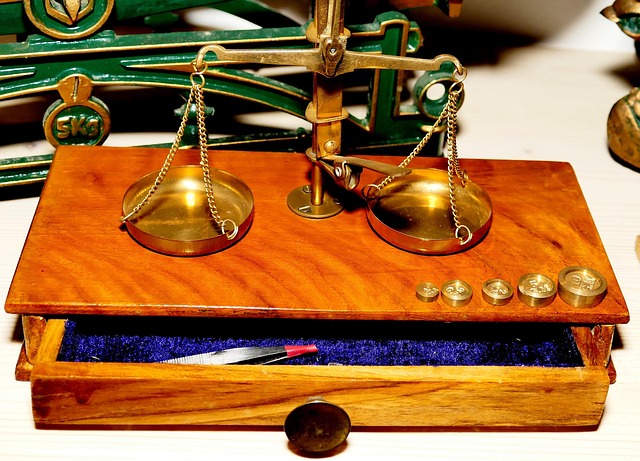
Image illustrating the verb Palm Off

Image uploaded to Pixabay by TheOtherKev

.

Definition

Palm off is a phrasal verb that involves tricking or deceiving someone by passing off something as something else, often of lower quality or value. This can be done in order to avoid losing face or to gain an advantage. It can also refer to passing off a responsibility or task onto someone else in a way that makes it seem like it was theirs to begin with.

Examples

No.Example
1The scammer tried to palm off a fake Rolex watch on the unsuspecting tourist.
2The realtor tried to palm off a house with major repairs needed as a fixer-upper.
3I was going to palm off the task on my coworker, but then I realized it wasn't fair.
4The company tried to palm off its failure as a 'successful experiment'.
5She tried to palm off her handicraft work as art, but people weren't having it.
6The politician was accused of trying to palm off an inferior bill on the parliament.
7He tried to palm off the defective product as a prototype, but it was soon caught out.
8The assistant manager wanted to palm off the shift work onto me.
9They tried to palm off an expired prescription as a valid one.
10Her boss is trying to palm off the dirty work on someone else in the office.

Phrasal Verb - Pan Out

· 2 min read
Raymundo CH

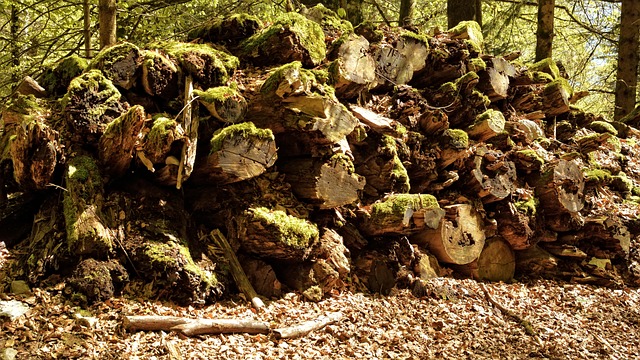
Image illustrating the verb Pan Out

Image uploaded to Pixabay by Harald_Landsrath

.

Definition

In the context of a story, film, or situation, to pan out refers to a gradual expansion or transition from a close-up or a specific detail to a wider view, revealing more context and information. It can also imply that a situation or detail initially seemed insignificant or unimportant but ultimately proves to be more significant or crucial. In a technical sense, to pan out can also mean to adjust or refine the details of something, such as a plan or a project, to make it more accurate or realistic.

Examples

No.Example
1The investigation panned out to be more complex than initially thought, leading to a much longer trial process.
2The new CEO promised to pan out the company's financials and make significant changes to its operations.
3The photographer panned out the shot to include the entire landscape, showcasing the beautiful scenery.
4It turned out that the initial diagnosis panned out to be incorrect, and further tests revealed a different condition.
5The plan to build a new mall panned out, but it took much longer and cost significantly more than expected.
6The new employee was nervous that they might not be able to pan out their ideas to the rest of the team.
7The artist's latest work panned out to be a masterpiece, incorporating stunning color schemes and breathtaking imagery.
8After panning out her story, the writer realized that the true protagonist was not who she initially thought.
9The financial advisor had to pan out the budgets of several clients to create a personalized investment strategy.
10Panning out her resume to highlight her transferable skills helped the job applicant land the interview.

Phrasal Verb - Paring Down

· 2 min read
Raymundo CH

Image illustrating the verb Paring Down

Image uploaded to Pixabay by cuncon

.

Definition

To reduce or decrease something, especially by cutting out or eliminating unnecessary parts or features. This can be in the context of simplifying a task, reducing expenses, or streamlining a process. Paring down often involves making conscious decisions to prioritize or eliminate based on specific criteria or goals.

Examples

No.Example
1The company plans to pare down its operations in the outdated factory.
2To reduce student stress, the school decided to pare down the amount of homework.
3The artist spent hours paring down her design to make it more visually appealing.
4By paring down her schedule, she was able to dedicate more time to her family.
5The team leader instructed the team to pare down their list of priorities.
6The city plans to pare down its budget for this year due to economic constraints.
7She felt the need to pare down her closet to get rid of unwanted clothes.
8The new policy requires us to pare down the number of employees in the department.
9They decided to pare down the list of potential candidates to the top three.
10The manager asked the team to pare down the scope of the project to meet the deadline.

Phrasal Verb - Parking Up

· 2 min read
Raymundo CH

Image illustrating the verb Parking Up

Image uploaded to Pixabay by 304cina62

.

Definition

To stop and stay in a parked position, usually with the engine running, often in order to avoid moving again. This term is commonly used in motor racing and other high-performance driving situations.

Examples

No.Example
1The driver had to park up and let the other car pass.
2After spotting the parking attendant, he decided to park up and show her his ticket.
3The hikers were advised to park up before starting their trek across the mountain.
4The motorcyclist parked up and took a snap with his fellow riders.
5After failing his driving test, John parked up and cried.
6The artist designed a sculpture that would park up against a massive backdrop.
7She tried to read a book while parked up next to the lake but was interrupted by the family.
8The ambulance was forced to park up due to the narrow road.
9The rent-a-car would park up at designated spots due to its size and fragile tires.
10He quickly parked up to hide from the danger seeing a storm coming.

Phrasal Verb - Back with

· 2 min read
Raymundo CH

Image illustrating the verb Back with

Image uploaded to Pixabay by PIRO4D

.

Definition

To return to a place, activity, or situation after a period of time, often unexpectedly or involuntarily, often causing surprise or inconvenience.

Examples

No.Example
1My wife always comes home later than expected, backing me up with her friends.
2Due to bad weather, the tour was cancelled, and they backed up their flight two days later.
3We've been arguing about this all day and I'm fed up with the fight, I'm going to back out for tonight.
4After an hour, they finally backed up their recording with a smaller hard drive.
5Her career in music never really got off the ground, she had to back up to her regular job at McDonald's.
6Back up is what I'm going to do right now. Your last presentation was logged in safe.
7Our regular truck broke down and we have to back up our journey by one day.
8The restaurant attendance dropped by half the week since my manager quit her job. Yep, I should totally back up my work when she leaves.
9At that time, when she finally realized what was going wrong, she backed up and proceeded carefully. This little mistake almost led to a speeding charge. Thankfully, no speeding charge was issued.
10Apparently the reason for smoke floods in the East Building of the campus is that a man quit his apartment smaller down east from the buildings great grounds and lit a thing on fire back with it in attempt of reversing dropping grades with complications that indeed hugely posed dispute in the flashback once!

Phrasal Verb - Passing Away

· 2 min read
Raymundo CH

Image illustrating the verb Passing Away

Image uploaded to Pixabay by WFranz

.

Definition

The phrasal verb 'pass away' is a polite or formal way of saying that someone has died. It is often used in formal announcements, obituaries, and condolences to convey the news of death in a gentle and considerate manner.

Examples

No.Example
1She passed away peacefully at the age of 85 after a long illness.
2The famous artist passed away unexpectedly at the age of 40.
3He passed away surrounded by his loving family and friends.
4She passed away after a brave battle with cancer.
5The legendary musician passed away, leaving behind a legacy of great music.
6The actress passed away after a long fight with Alzheimer's disease.
7He passed away on his 75th birthday, a testament to his strong will and determination.
8The sports champion passed away due to injuries sustained in a tragic accident.
9She passed away after a long and courageous battle against her condition.
10The writer passed away at the age of 60, leaving behind a collection of unpublished works.

Phrasal Verb - Passing By

· 2 min read
Raymundo CH

Image illustrating the verb Passing By

Image uploaded to Pixabay by AndreasGoellner

.

Definition

The phrasal verb 'pass by' means to move past someone or something without stopping or noticing them. It can be used to describe a physical action, such as walking or driving past a person or place, but it can also be used figuratively to describe an opportunity or situation that is missed or not taken advantage of.

Examples

No.Example
1She passed by the store without going inside.
2The train passed by the platform at high speed.
3We passed by the lake on our way to the park.
4She passed by the job opportunity without applying.
5He passed by the party without stopping to say hello.
6The cyclist passed by the pedestrian with a smile.
7The boat passed by the dock without anchoring.
8The tour bus passed by the famous landmarks without stopping.
9The police car passed by the scene of the accident quickly.
10The students passed by the cafeteria without buying lunch.

Phrasal Verb - Passing Off

· 2 min read
Raymundo CH

Image illustrating the verb Passing Off

Image uploaded to Pixabay by Antranias

.

Definition

The verb phrase 'pass off' is a phrasal verb that means to deceive someone into thinking that something is real, true, or genuine when it is not, often by presenting it in a way that is appealing or convincing. It can also refer to the act of impersonating or pretending to be someone or something else, often with the intention of gaining an advantage or avoiding detection.

Examples

No.Example
1The shop owner tried to pass off the cheap knockoff as an authentic designer item.
2The actor passed off his imitated accent as a real one, deceiving the audience.
3The company tried to pass off their budget hotel as a luxury resort on their website.
4The politician passed off his personal views as those of his party in order to gain more votes.
5The lawyer tried to pass off the defendant's robber as a victim of circumstance.
6The artist passed off her work as self-portraits in order to gain recognition.
7The extension tried to pass off rapid installation in unwanted advertisers application.
8The pharmaceutical company tried to pass off the new overpriced pill as a game-changer to gain more money.
9The lie faced the press in a posed and this story they tried to pass off as the tale of breaking news.
10The jury found it hard to decide if deceitful kinetic psychology in the shop itself may happened in real time at the J.

Phrasal Verb - Passing on

· 2 min read
Raymundo CH

Image illustrating the verb Passing on

Image uploaded to Pixabay by geralt

.

Definition

To pass on something means to give or transmit something, especially information or a task, to someone else, often because it is no longer one's responsibility, is too difficult to handle, or is considered more suitable for someone else. It can also mean to convey or communicate a feeling, emotion, or attitude to someone, often unintentionally. Furthermore, to pass on something can mean to transfer or give up control, ownership, or possession of something.

Examples

No.Example
1My boss will pass on your resume to the HR department.
2I tried to pass on my knowledge to the new employee, but they were not interested.
3Can you pass on this message to the person who made the phone call?
4She was worried about passing on her anxiety to her children.
5The company will pass on the responsibility of managing the project to a new team member.
6I'm not sure how to pass on this sad news to my family.
7The forest ranger will pass on this trail and see what's on the other side.
8They passed on the recipe to their son before they moved away.
9We have to pass on the subscription to the new online service to our parent company.
10The children often pass on their ideas to each other during recess.

Phrasal Verb - Passing Up

· 2 min read
Raymundo CH

Image illustrating the verb Passing Up

Image uploaded to Pixabay by Nennieinszweidrei

.

Definition

The phrasal verb 'pass up' means to refuse or decline an opportunity, offer, or invitation. It can also mean to let something move by or go ahead of you, without noticing or reacting to it. In a figurative sense, it can imply giving up or abandoning a goal, project, or situation.

Examples

No.Example
1After being offered a scholarship, Sarah decided to pass up the opportunity and attend the local college instead.
2The cyclist had to pass up the water station due to the long line of people.
3John was going to participate in the marathon but eventually decided to pass up the challenge.
4The train passenger had to pass up the scenic view because the train was moving too fast.
5Due to the long wait, Maria decided to pass up the chance to buy new shoes.
6The business had to pass up the investment opportunity because it was too high-risk.
7In order to pass up the attacking enemy, the soldiers had to march through the swamp.
8After the rejection, Michael decided to pass up the idea of starting a band.
9Due to the bad weather, the event was postponed, and many people decided to pass up attending.
10The security guard had to pass up the suspicious-looking package to the police for further examination.