7 posts tagged with "time management"

View All Tags

Phrasal Verb - punching in

· 2 min read

Raymundo CH

Image illustrating the verb punching in

Image uploaded to Pixabay by truthseeker08

.

Definition

The phrasal verb 'punching in' refers to the action of reporting to work or starting a job. This phrase is often used in the context of clocking in using a time clock or a biometric device. It can also be used metaphorically to describe the starting point of a project or an activity.

Examples

No.Example
1Every employee is required to punch in at the designated time.
2The new employee was excited to finally punch in for her first day at the company.
3Despite the early hour, the construction crew was already punching in.
4The project manager announced that the team would start punching in on Monday.
5After a long and tiring journey, the explorers finally punched in at their destination.
6The students punched in for their afternoon classes.
7The sales team was motivated to punch in extra hours to meet their targets.
8The chef punched in a new ingredient to add some depth to the dish.
9The athlete took a deep breath and punched in for the final round.
10The band punched in for their live performance, ready to entertain the crowd.

Phrasal Verb - pushing-back

· 2 min read
Raymundo CH

Image illustrating the verb pushing-back

Image uploaded to Pixabay by 27707

.

Definition

To resist or object to something, often in a forceful or assertive way. This phrasal verb can also mean to delay or postpone something.

Examples

No.Example
1He pushed back against the proposal, arguing that it would not be beneficial for the company.
2When the teacher asked for volunteers, John pushed back, refusing to participate.
3The deadline for the project was pushed back due to unforeseen circumstances.
4She pushed back against the accusations, maintaining her innocence.
5The sales team pushed back against the new marketing strategy, fearing it would harm their sales.
6He pushed back the chair, preparing to leave the table.
7The city council pushed back against the proposed development, citing environmental concerns.
8The project manager pushed back the launch date, giving the team more time to prepare.
9She pushed back her hair, revealing her tired eyes.
10The students pushed back against the new dress code, arguing it was too restrictive.

Phrasal Verb - Putting Back

· 2 min read
Raymundo CH

Image illustrating the verb Putting Back

Image uploaded to Pixabay by Peggy_Marco

.

Definition

This phrasal verb means to return an object or a situation to its original state or position. It can also mean to resume a previous activity or job, or to make amends for a mistake.

Examples

No.Example
1After accidentally knocking over the vase, she put the pieces back together.
2The manager asked the employees to put back the tools they had taken from the storage room.
3The company put back the implementation of the new project until the following year.
4John put back the clock one hour before going to bed.
5Mary put back the furniture in the living room after the party.
6The teacher put the misbehaving student back in his seat.
7The city put back the deadline for submitting building permits.
8After realizing her mistake, she put back the money she had taken.
9The team put back their training schedule due to injuries.
10The chef put back the sauce that had been left simmering on the stove.

Phrasal Verb - Shaving Off

· 2 min read
Raymundo CH

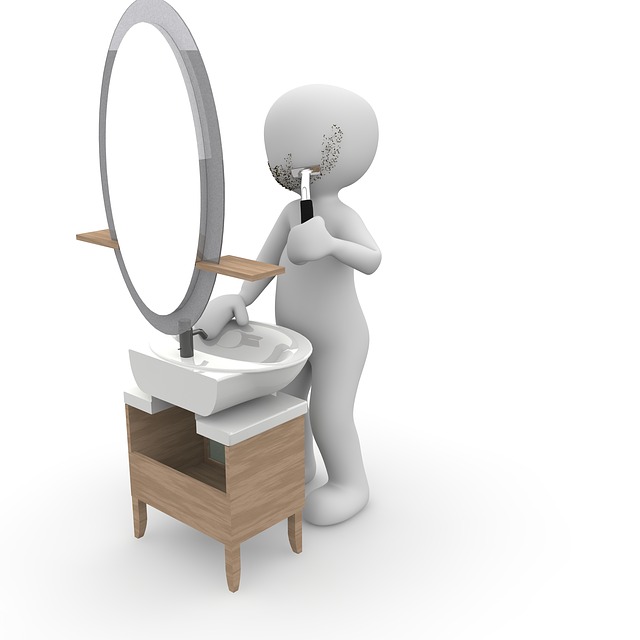
Image illustrating the verb Shaving Off

Image uploaded to Pixabay by Peggy_Marco

.

Definition

To remove a small amount of something, often metaphorically, by gradual degrees, usually to improve a situation or appearance. This phrasal verb can also be used literally to mean removing hair by shaving.

Examples

No.Example
1He shaved off a few pounds by sticking to a strict diet and exercise regimen.
2The team shaved off valuable seconds from their lap time by making adjustments to their strategy.
3She shaved off a year from her age to surprise her husband on their anniversary.
4The sculptor shaved off small bits of stone to create a lifelike statue.
5He shaved off his beard to look more professional for the job interview.
6The coach shaved off valuable minutes from the team's warm-up routine.
7She shaved off her legs for the first time, feeling a sense of liberation.
8The gardener shaved off dead leaves from the plant to promote new growth.
9The detective shaved off a few days from the timeline to catch the suspect.
10He shaved off his mustache, deciding it didn't suit him.

Phrasal Verb - Cramming

· 2 min read
Raymundo CH

Image illustrating the verb Cramming

Image uploaded to Pixabay by ggim5

.

Definition

To cram is a phrasal verb that means to pack or fill something tightly and closely, often with too much stuff or information. It can also imply that something is being learned or done quickly or hastily, often with a sense of urgency or panic. The verb can be used in various contexts, including describing how people prepare for exams or tests, or how they pack luggage for a trip.

Examples

No.Example
1She was cramming all night for her exam.
2The luggage compartment is going to cram a bit tightly with all the kid's toys.
3This book really helps in cramming math formulas quickly.
4Stop cramming all those dirty clothes in here!
5Students are busy cramming last-minute notes before the exam.
6Try not to cram all the food on your plate, there is plenty of space.
7This course is designed to help you cram and remember the most critical topics.
8Crumpled up papers began to cram in her messy desk drawer.
9The old meat freezer at the butchers began to cram with leftovers.
10Luggage began to cram in the dimly lit dim luggage storage room

Phrasal Verb - Faffing About

· 2 min read
Raymundo CH

Image illustrating the verb Faffing About

Image uploaded to Pixabay by stux

.

Definition

Faffing about is a phrasal verb that means to waste time or to spend time aimlessly. It is often used to describe someone who is delaying or putting off something because they are being idle or indulging in frivolous activities. The speaker or writer may feel annoyed or frustrated with the person's behavior because it seems unnecessary or unproductive.

Examples

No.Example
1We can't afford to faff about all day, we have a deadline to meet.
2Stop faffing about and focus on your task.
3I love people-watching, but don't faff about all day, it's not productive.
4My brother has a habit of faffing about before a big exam.
5The company is too casual and allows employees to faff about all day.
6I know you want to go shopping, but let's not faff about and waste our budget.
7Faffing about on social media is a major distraction for students.
8If you're going to start a project, don't faff about and leave it unfinished.
9The new employee is faffing about more than necessary, it's affecting the team's work.
10Stop faffing about and get back to work, we have a meeting soon.

Phrasal Verb - Getting Round To

· 2 min read
Raymundo CH

Image illustrating the verb Getting Round To

Image uploaded to Pixabay by u_fg0tkeqgiy

.

Definition

Getting round to is a phrasal verb that means to eventually manage to do something, often after putting it off for a while. It implies that the action was not a priority, but is now being addressed.

Examples

No.Example
1I kept putting off calling my friend, but I finally got round to it yesterday.
2We need to get round to painting the bedroom before the guests arrive.
3I've been meaning to learn Spanish for years, but I just haven't got round to it.
4Have you gotten round to setting up the new printer yet?
5I'll get round to watering the plants when I have a moment.
6I've got a lot on my plate right now, but I'll get round to helping you move next week.
7We need to get round to discussing the budget for the project.
8I should really get round to updating my resume.
9I've been putting off going to the doctor, but I know I need to get round to it.
10I'll get round to organizing the garage once the weather gets warmer.