15 posts tagged with "Journalism"

View All Tags

Phrasal Verb - Ferretting Out

· 2 min read

Raymundo CH

Image illustrating the verb Ferretting Out

Image uploaded to Pixabay by ambquinn

.

Definition

To discover or uncover information or evidence that was previously unknown, often through investigation, research, or inquiry; to uncover or expose a secret or hidden fact or situation.

Examples

No.Example
1The detective tried to ferret out the identity of the thief.
2After weeks of investigation, the team was finally able to ferret out the truth.
3The journalist worked tirelessly to ferret out corruption within the government.
4The detective expertly ferreted out clues that led to the suspect's arrest.
5The company hired a private investigator to ferret out intellectual property theft.
6The lawyer tried to ferret out loopholes in the opponent's argument.
7The researchers spent months ferreting out data to support their theory.
8The cybersecurity expert worked to ferret out malware in the company's system.
9The journalist ferreted out a scandal that led to the CEO's resignation.
10The anthropologist tried to ferret out the origins of the ancient culture.

Phrasal Verb - Finding Out

· 2 min read
Raymundo CH

Image illustrating the verb Finding Out

Image uploaded to Pixabay by inspire-studio

.

Definition

To 'find out' is a phrasal verb that primarily means to discover, learn, or obtain information, often after a period of investigation, inquiry, research, or experience, about something that was previously unknown, secret, or unclear. It implies a process of gaining knowledge or understanding, whether through direct observation, asking questions, reading, listening, or logical deduction. This information can pertain to facts, truths, reasons, plans, secrets, or the state of affairs regarding a person, event, or situation. It suggests moving from a state of not knowing to a state of knowing.

Examples

No.Example
1I need to find out what time the train leaves tomorrow morning.
2Did you find out who was responsible for breaking the window?
3We're trying to find out why the new system isn't working correctly.
4She was shocked to find out that her favorite store was closing down.
5Before you make a decision, it's wise to find out all the facts.
6He managed to find out the secret ingredient in the famous recipe.
7Could you find out if Dr. Lee is available for a meeting next week?
8Through careful research, scientists are finding out more about ancient civilizations.
9I'll call the hotel to find out if they have any rooms left for the weekend.
10You'll never find out the truth if you don't ask the right questions.

Phrasal Verb - Getting Across

· 2 min read
Raymundo CH

Image illustrating the verb Getting Across

Image uploaded to Pixabay by congerdesign

.

Definition

The phrasal verb 'get across' primarily means to successfully communicate an idea, message, feeling, or point of view to another person or group, ensuring that it is clearly understood and comprehended. It often implies that the sender has made an effort to overcome potential barriers to understanding, such as complexity of the subject matter, differing perspectives, or a lack of clarity in expression. It focuses on the effective transmission and reception of information, making sure the intended meaning is grasped by the audience. This can involve explaining, clarifying, persuading, or simply conveying information in a way that resonates and achieves the desired level of understanding. While 'get across' can literally mean to move from one side to another (e.g., 'get across the river'), its common phrasal verb usage in communication contexts refers to the successful conveyance of information or meaning.

Examples

No.Example
1The teacher struggled to get the complex mathematical concept across to her students.
2It's important for politicians to get their message across clearly during campaigns.
3She found it difficult to get her feelings across to him without becoming emotional.
4Despite speaking different languages, they managed to get their basic needs across using gestures.
5The presentation aimed to get across the urgency of climate change to the audience.
6He used a simple analogy to get his point across more effectively during the debate.
7How do you get across the importance of safety regulations to workers who feel rushed?
8The director wanted to get across the sense of isolation felt by the main character in the film.
9Sometimes, writing can be a better way to get your thoughts across than speaking in person.
10I hope my explanation got the main idea across to everyone in the meeting this morning.

Phrasal Verb - Hunting Down

· 2 min read
Raymundo CH

Image illustrating the verb Hunting Down

Image uploaded to Pixabay by Ralphs_Fotos

.

Definition

The phrasal verb 'hunt down' means to pursue and find someone or something, often with great determination or effort. It can also refer to finding information or solving a problem.

Examples

No.Example
1The police were hunting down the suspect who had robbed the bank.
2After losing her keys, Sarah spent hours hunting down the right replacement.
3The detective spent weeks hunting down the evidence to solve the case.
4The hunters went deep into the forest to hunt down the elusive deer.
5The company was determined to hunt down and fix the source of the software bug.
6The team worked tirelessly to hunt down every last vote in the election.
7The journalist spent months hunting down leads for her investigative report.
8The department was under pressure to hunt down the missing files.
9The search party spent days hunting down the lost hiker.
10The security team was on high alert, hunting down any signs of intrusion.

Phrasal Verb - accounting for

· 2 min read
Raymundo CH

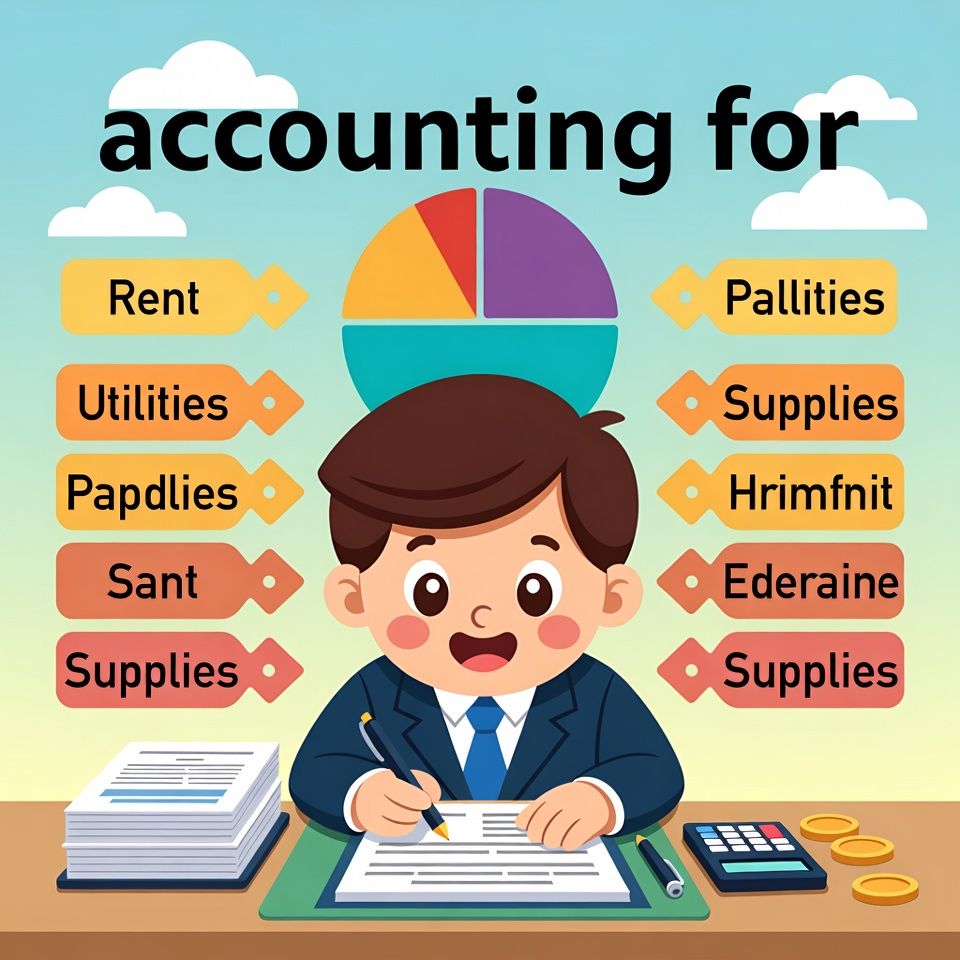
Cartoon representing the phrasal verb accounting for

Definition

The phrasal verb "account for" is multi-faceted, carrying distinct meanings depending on its context. Primarily, it means to provide a satisfactory explanation or justification for something, often an event, an action, a decision, or a phenomenon; this involves elucidating the reasons, causes, or circumstances behind it. Secondly, it is used to signify that something constitutes, makes up, or forms a particular proportion, share, or part of a larger whole, quantifying its contribution or representation. Thirdly, "account for" can mean to be responsible for managing, explaining the whereabouts, or detailing the use of money, assets, or property that has been entrusted to one's care. Lastly, it can refer to explaining what has become of someone or something that is missing, lost, or unaccounted for, ensuring all items or individuals are located or their fate is known.

Examples

1The manager asked the team to prepare a report accounting for the unexpected decrease in sales last quarter.
2Scientists are still accounting for the sudden changes in the polar ice caps, linking them to global warming.
3The financial department is responsible for accounting for every penny spent from the company's budget.
4Online transactions are now accounting for over 70% of our total retail sales.
5The suspect struggled to provide a credible alibi, accounting for his whereabouts on the night of the incident.
6We need to implement a new inventory system capable of accurately accounting for all incoming and outgoing stock.
7Cultural differences often account for variations in consumer behavior across international markets.
8During the audit, the accountant was tasked with accounting for a significant discrepancy in the company's records.
9His consistent dedication and hard work accounted for his rapid promotion within the firm.
10The project manager needs to account for the delays in the construction schedule to the stakeholders.