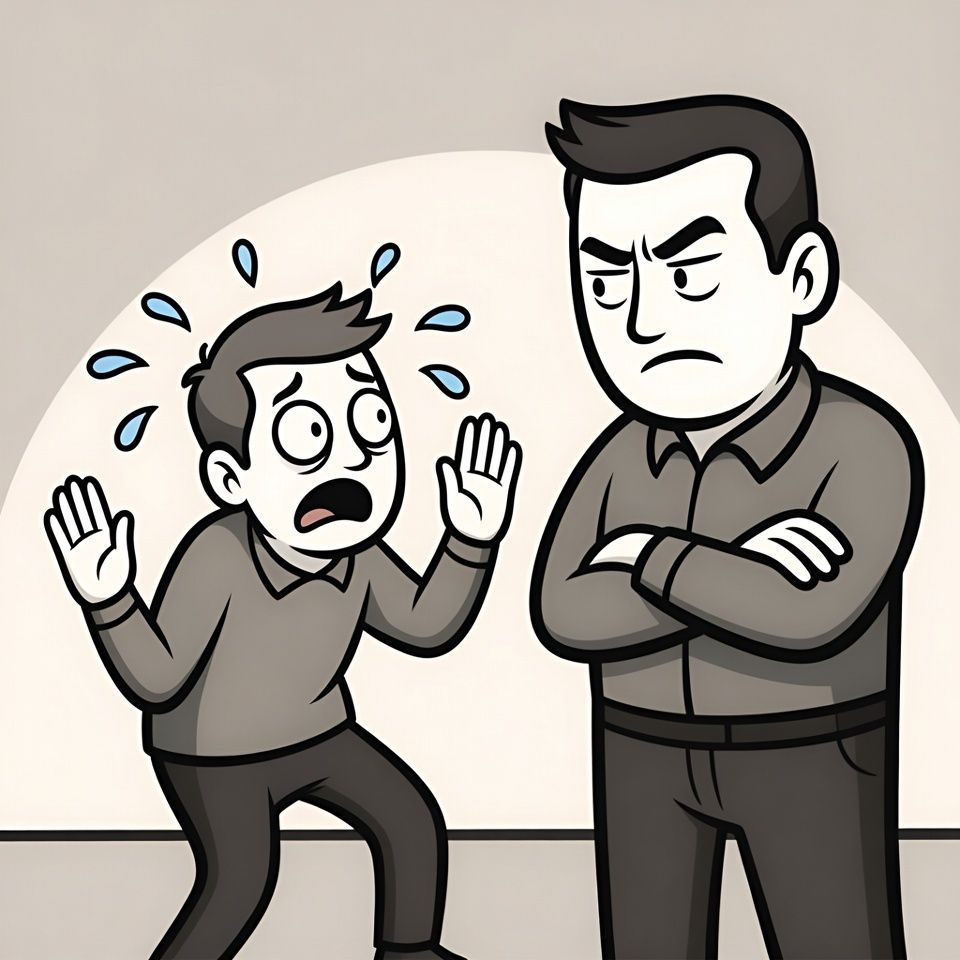
Phrasal Verb - Calling Off

Image uploaded to Pixabay by emelieewestman
.Definition
To 'call off' is a phrasal verb with two primary meanings. Firstly, it means to cancel an event, arrangement, or activity that has been previously planned or scheduled. This often implies that the cancellation is due to unforeseen circumstances, difficulties, issues, a change of mind, or a decision that prevents the event from taking place at all or at its designated time. The cancellation might be permanent or temporary (postponement, though 'call off' typically implies full cancellation). Secondly, it means to order an animal (such as a dog) or, less commonly, a person to stop an attack, pursuit, or any aggressive or persistent action. In this context, it implies a command to cease the immediate hostile or unwanted activity.
Examples
| No. | Example |
|---|---|
| 1 | They had to call off the wedding due to a sudden family emergency. |
| 2 | The company decided to call off the product launch after discovering a critical software bug. |
| 3 | If the weather doesn't improve, we will definitely have to call off the outdoor concert. |
| 4 | Could you please call off your dog? It's barking aggressively at the children. |
| 5 | The police chief reluctantly called off the search and rescue operation after three days with no new leads. |
| 6 | Despite months of preparation, the two nations decided to call off the peace negotiations at the last minute. |
| 7 | The referee had no choice but to call off the football game due to the torrential rain and lightning. |
| 8 | She threatened to call off the deal if they didn't meet her revised demands by the end of the day. |
| 9 | The government called off the proposed tax increase following widespread public outcry and protests. |
| 10 | Let's hope they don't call off the annual town festival this year; it's always a highlight. |