2 posts tagged with "Political debates"

View All Tags

Phrasal Verb - Bringing around

· 3 min read
Raymundo CH

Image illustrating the verb Bringing around

Image uploaded to Pixabay by Ran_sy

.

Definition

The phrasal verb "bring around" has two distinct primary meanings:

  1. To persuade someone to agree with your point of view, opinion, or plan, or to change their mind on a particular issue. This usage implies a process of convincing, discussing, or presenting arguments to overcome initial resistance, disagreement, or neutrality. It often involves patient explanation, logical reasoning, or persistent effort to influence someone's stance.

  2. To restore someone to consciousness after they have fainted, collapsed, or been unconscious. This meaning is typically used in a medical, first-aid, or emergency context, referring to actions taken to revive a person who has lost consciousness. These actions might include applying smelling salts, fanning, elevating legs, or providing cool air, with the goal of waking the person up.

Examples

No.Example
1It took hours, but she finally managed to bring him around to her way of thinking about the new investment.
2The paramedics worked quickly to bring the patient around after he fainted from the shock of the news.
3We need a really strong presentation if we're going to bring the committee around to our proposal for budget increases.
4She was initially very stubborn, but I think with enough patience, I can bring her around to seeing my perspective.
5After the accident, the first responder used a cool compress to gently bring the victim around.
6The marketing team spent weeks trying to bring the reluctant investors around to their innovative advertising campaign.
7Could you try to bring him around on the idea of taking a more adventurous vacation this summer? He prefers to stay home.
8A splash of cold water on his face helped to bring the dizzy runner around during the marathon.
9Despite initial opposition from some employees, the manager was able to bring the entire staff around to the new remote work policy.
10The nurse gently elevated the patient's legs to bring her around after she felt faint during the blood test.

Phrasal Verb - backing down

· 3 min read
Raymundo CH

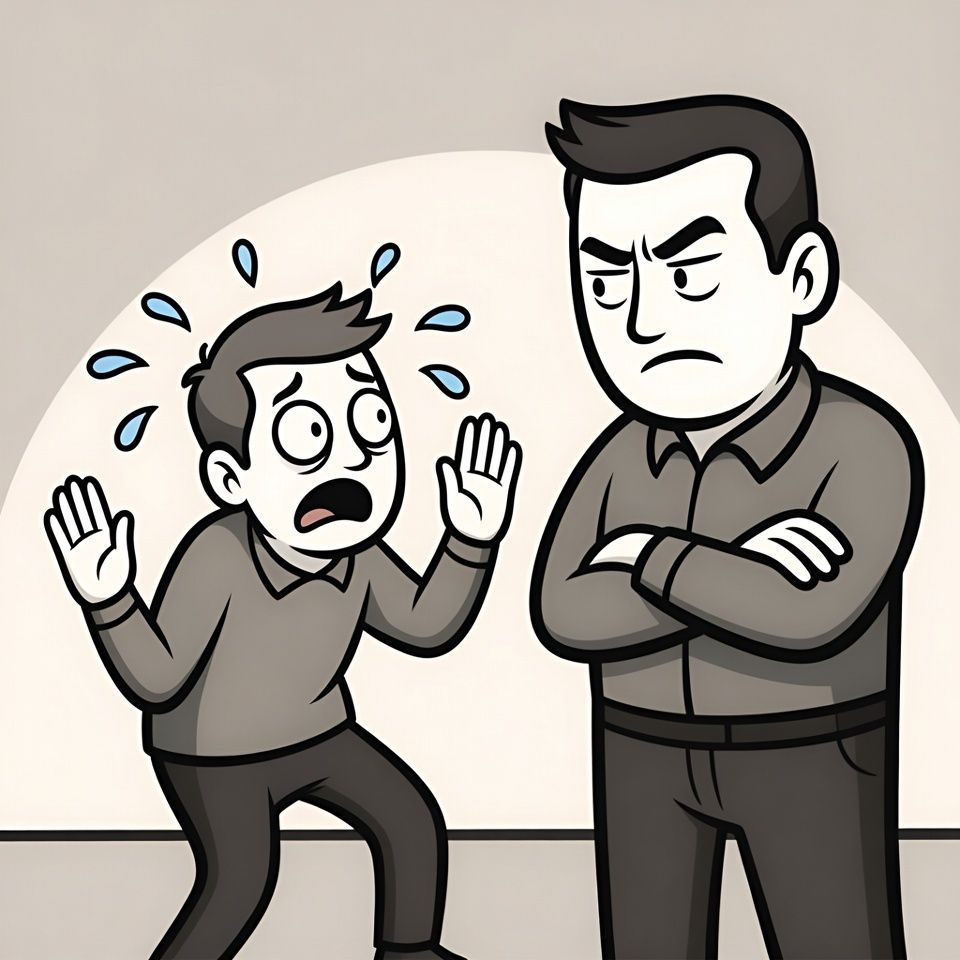
Cartoon representing the phrasal verb backing down

Definition

To 'back down' is a phrasal verb that describes the act of withdrawing from a position, claim, demand, or confrontation, typically due to pressure, fear, or a realization that one's stance is untenable, unsustainable, or likely to lead to undesirable consequences. It implies a concession, a retreat, or a surrender in an argument, a negotiation, a dispute, or a challenge. When an individual or entity 'backs down,' they abandon their previously held strong position, often yielding to the will or demands of an opposing party, or deciding not to pursue a particular course of action they had initially intended. This withdrawal can be voluntary, based on a change of heart, a reassessment of strategy, or a desire for compromise, or it can be involuntary, forced by external circumstances, superior pressure, or a lack of resources to sustain the original position. It frequently carries a connotation of weakness, capitulation, or a loss of face, especially if the person or group was widely expected to stand firm or uphold their original commitment.

Examples

No.

Examples

1The government refused to back down on its controversial new policy despite widespread public protests.
2After facing intense scrutiny, the CEO had no choice but to back down from the unpopular decision.
3She's known for her resolve; she rarely backs down once she's made a commitment.
4The union isn't showing any signs of backing down in their fight for better wages.
5If you don't back down, this petty argument is going to escalate into a serious conflict.
6Despite immense pressure from shareholders, the board decided not to back down on their long-term strategy.
7The child was stubborn and refused to back down from his demand for another cookie.
8It was clear that neither side was willing to back down during the tense international negotiations.
9After hours of debate, the council member reluctantly backed down on the proposed budget cut to avoid further division.
10Are you suggesting I should back down just because the task is proving more difficult than anticipated?